
5 Common Audio Mastering Myths Debunked


Understanding Audio Mastering
Audio mastering is often shrouded in mystery, leading to a variety of misconceptions. As the final step in music production, mastering plays a crucial role in ensuring that a track sounds polished and professional. However, several myths persist, complicating the process for many. Let's debunk some of these myths to gain a clearer understanding.
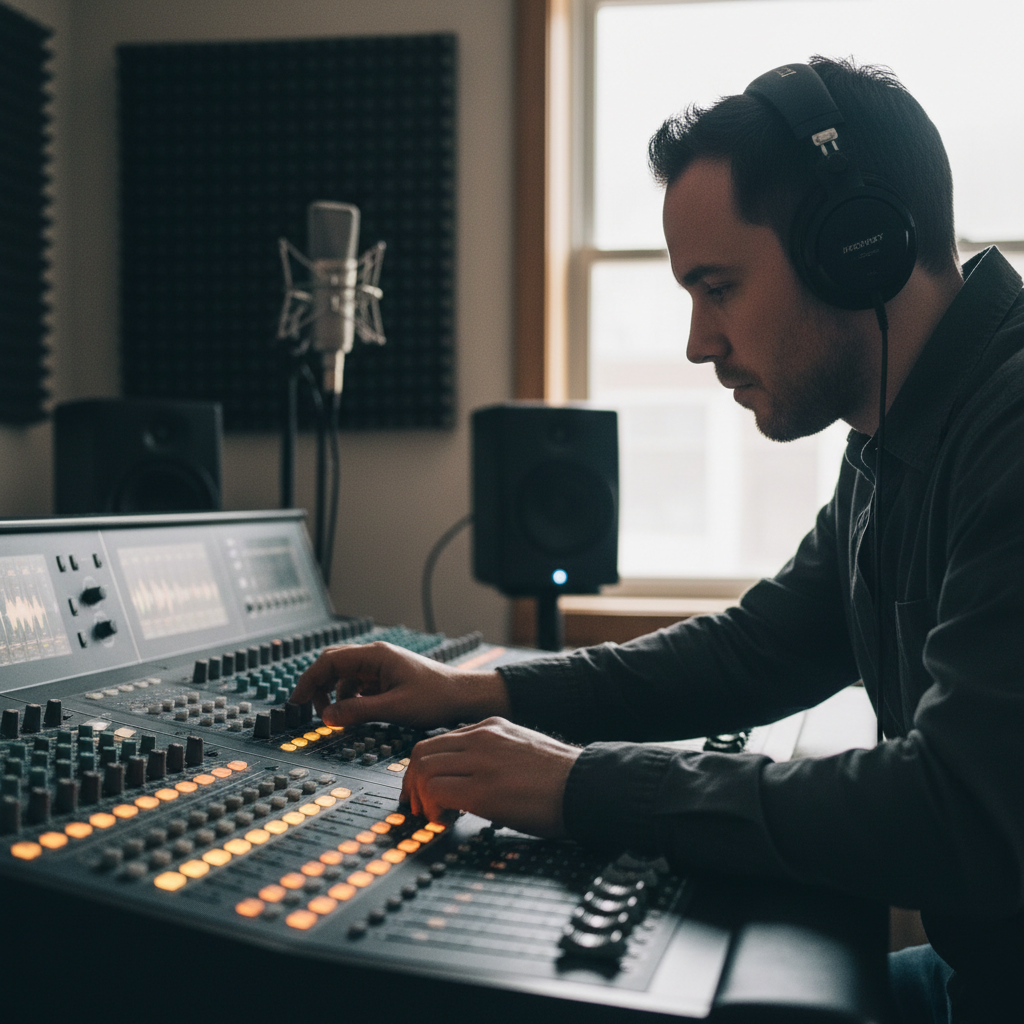
Myth 1: Mastering Can Fix a Bad Mix
One of the most common myths is that mastering can salvage a poorly mixed track. While mastering can enhance and optimize the overall sound, it cannot fix fundamental issues present in the mix. The truth is, a great master starts with a great mix. The role of mastering is to refine and balance, not to reconstruct.
Myth 2: Mastering Is Just About Making Tracks Louder
Many believe that the primary purpose of mastering is to increase the loudness of a track. Though achieving optimal loudness is a part of the process, mastering is much more nuanced. It involves enhancing clarity, depth, and tonal balance, ensuring the track sounds its best across all playback systems.
The Art and Science of Mastering
Mastering combines both technical skills and artistic intuition. It requires a deep understanding of sound and an ability to make subtle adjustments that significantly impact the final product. This balance is what distinguishes a skilled mastering engineer from automated software solutions.

Myth 3: Mastering Is Only for Professional Studios
While professional studios offer high-quality equipment and acoustically treated environments, modern technology has made it possible for independent artists to master their tracks at home. Affordable software and plugins allow for effective mastering, though understanding the principles behind the process remains crucial.
Myth 4: All Tracks Need to Be Mastered the Same Way
Another misconception is that there is a one-size-fits-all approach to mastering. In reality, each track is unique and requires a tailored approach. Factors like genre, artistic vision, and the intended listening environment all influence the mastering process, making it a highly personalized art form.
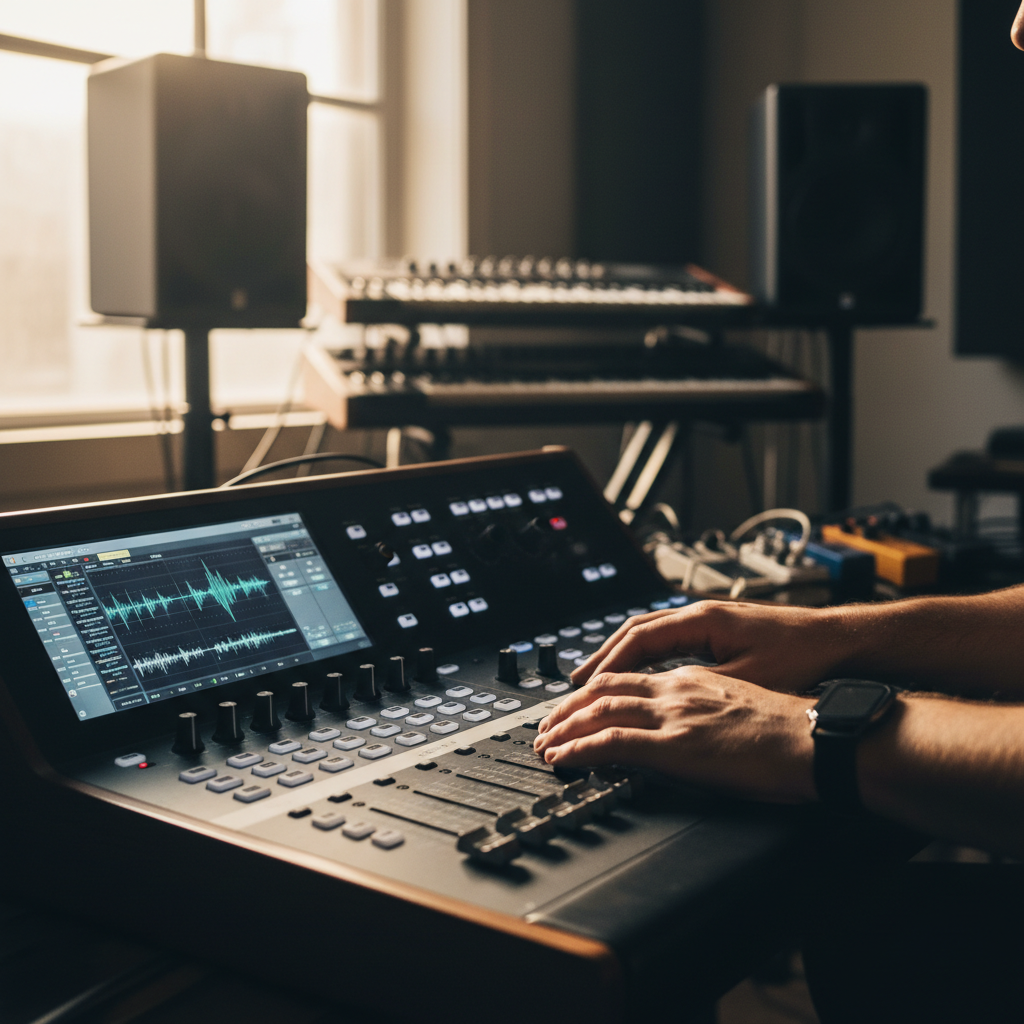
The Role of the Mastering Engineer
Mastering engineers bring an objective ear to the project, offering a fresh perspective that can highlight elements that might have been overlooked. Their expertise is invaluable in setting the sonic standards for an album or single, ensuring consistency and cohesiveness.
Myth 5: Mastering Is an Optional Step
Some may view mastering as an optional luxury rather than a necessity. However, skipping this step can result in tracks that sound amateurish and inconsistent. Mastering provides the final polish, ensuring that the music translates well across various platforms and formats.
In conclusion, understanding the realities of audio mastering can empower artists and producers to make informed decisions about their music. By dispelling these myths, we can appreciate the true value of mastering in creating high-quality audio experiences.