
A Step-by-Step Guide to DIY Audio Mixing at Home


Introduction to DIY Audio Mixing
Audio mixing is an essential skill for anyone interested in music production. Whether you're a budding musician or a podcaster, learning how to mix your audio at home can elevate your projects to a professional level. This guide will walk you through the basic steps to get started with DIY audio mixing.
Gathering Your Equipment
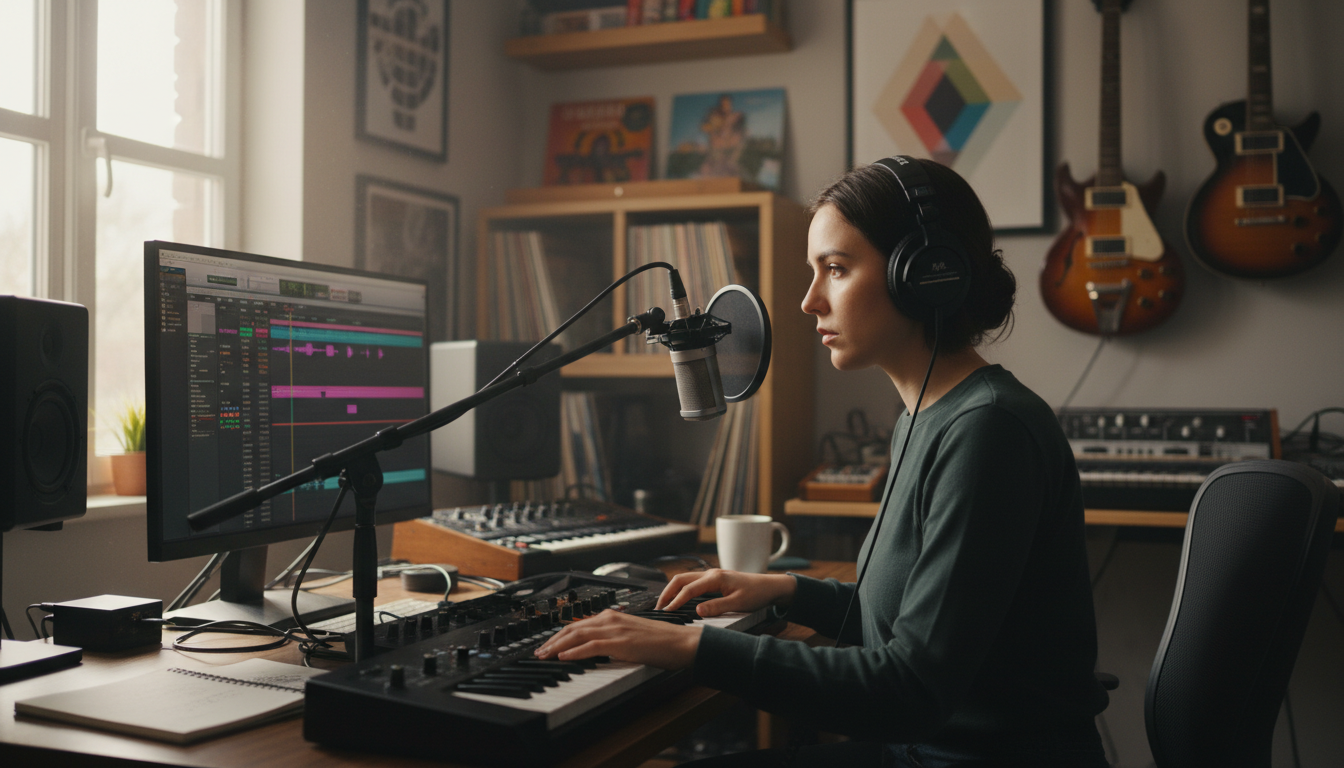
The first step in audio mixing is ensuring you have the right equipment. While high-end gear can enhance your sound, you can start with basic tools:
- Computer: A reliable computer with enough processing power.
- Digital Audio Workstation (DAW): Software like Audacity, GarageBand, or Ableton Live.
- Headphones or Monitors: Quality headphones or studio monitors for accurate sound.
Choosing the Right DAW
Your DAW will be the central hub for all your mixing activities. Consider ease of use, available features, and your budget when choosing the right software. Many DAWs offer free trials, so take advantage of these to find the best fit for you.
Understanding Audio Tracks
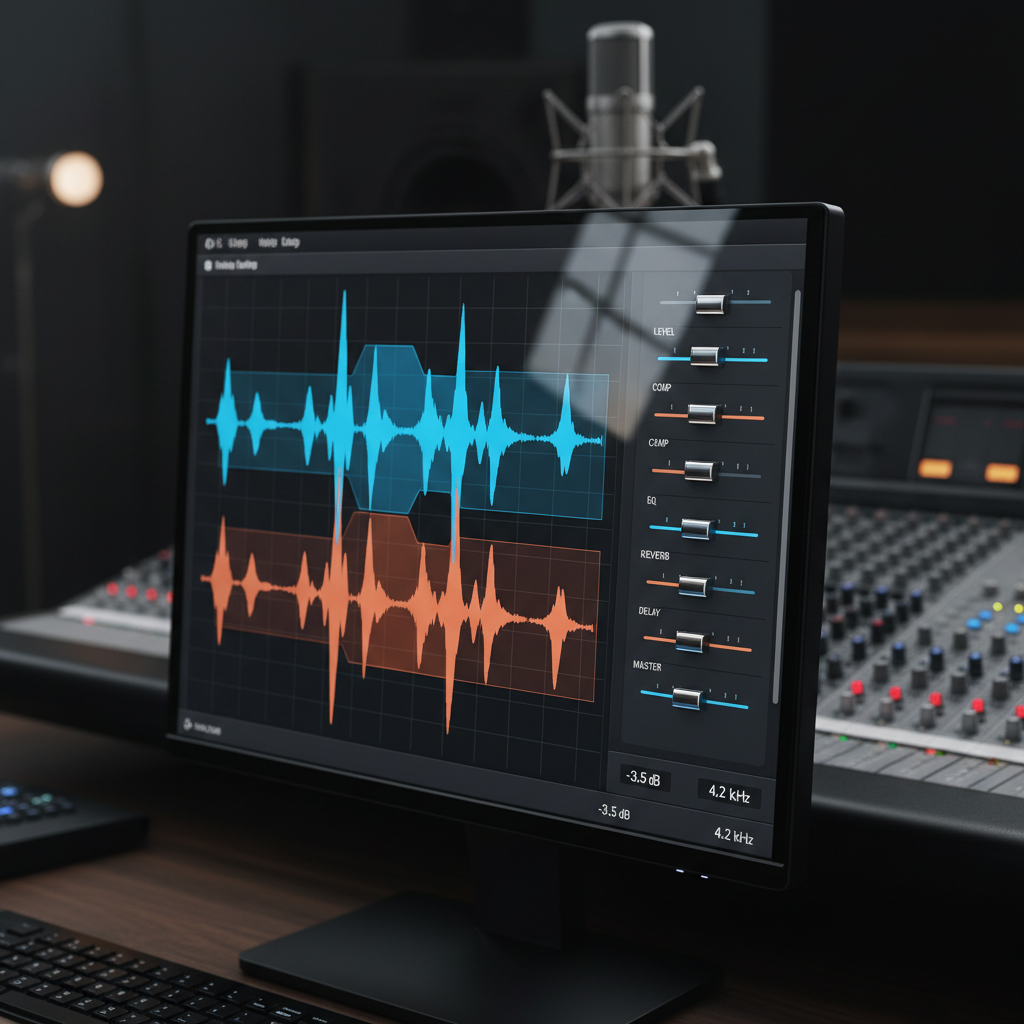
Once your DAW is set up, it's time to import your audio tracks. These can be individual instrument recordings, vocals, or any sound elements you want to include in your mix. Remember to organize your tracks clearly and label them appropriately for ease of navigation.
Setting Levels and Panning
The next step is to adjust the volume levels and panning of each track. Proper level setting ensures that each element in your mix is audible and balanced. Panning helps create a stereo image, making your mix more dynamic and immersive.
Applying Equalization and Compression
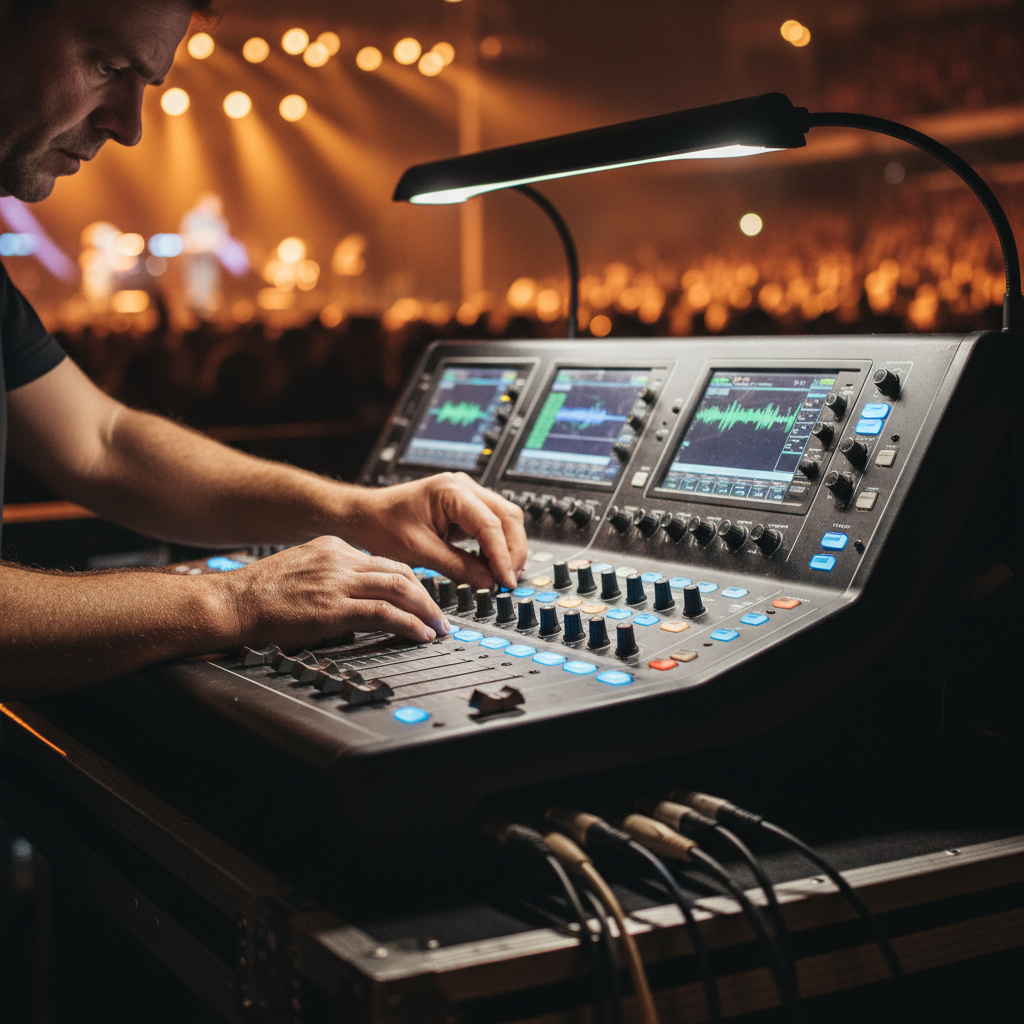
EQ and compression are crucial tools in shaping your sound. Equalization allows you to adjust the frequency balance of your tracks, enhancing or reducing specific frequencies. Compression helps control the dynamics of your audio, smoothing out volume fluctuations for a more consistent sound.
Adding Effects
Effects such as reverb, delay, and chorus can add depth and character to your mix. Use these sparingly to enhance your tracks without overwhelming the listener. Experiment with different settings to find what complements your music best.
Finalizing Your Mix
Once you're satisfied with your mix, it's time to finalize it. Listen to your mix on different devices to ensure it sounds good across all platforms. Make any necessary adjustments, then export your final version in the desired format.
By following these steps, you can create professional-quality audio mixes right from the comfort of your home. Practice regularly, and don't be afraid to experiment with different techniques. With time and dedication, you'll master the art of audio mixing.