
Audio Mastering FAQs: Everything You Need to Know


Understanding Audio Mastering
Audio mastering is a crucial step in music production that ensures your tracks sound their best across all playback systems. It's the final polish that makes your music shine. This process involves balancing the sonic elements of a stereo mix and optimizing playback across all systems and media formats.
During mastering, engineers make subtle adjustments to enhance clarity, depth, and overall impact. If you're new to the world of audio mastering, you might have numerous questions. Let's dive into some of the most frequently asked questions about this essential process.
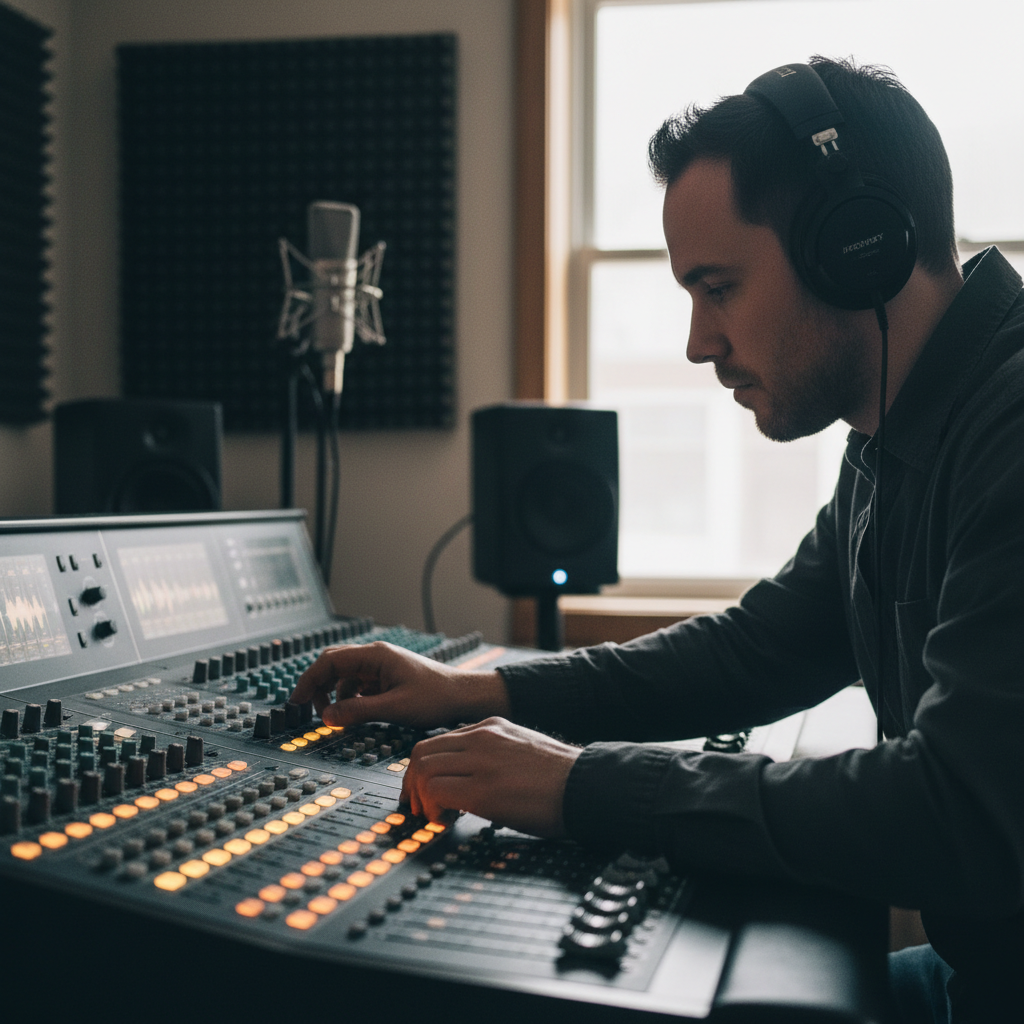
What Is the Purpose of Audio Mastering?
The primary purpose of audio mastering is to prepare and transfer recorded audio from a source containing the final mix to a data storage device. This ensures that the sound is consistent and cohesive, providing the best listening experience possible. Mastering also involves error checking and creating a final distribution-ready version.
Additionally, mastering helps maintain consistency across an album, ensuring that each track flows well into the next. It can also increase the perceived loudness of your music without sacrificing quality, giving your tracks that professional edge.
Do I Need to Master My Music?
Whether you're an independent artist or a record label, mastering is essential for producing high-quality music. Without mastering, your tracks may lack the polish and professionalism needed to stand out. Mastering ensures your music translates well across various playback systems, from high-end speakers to earbuds.
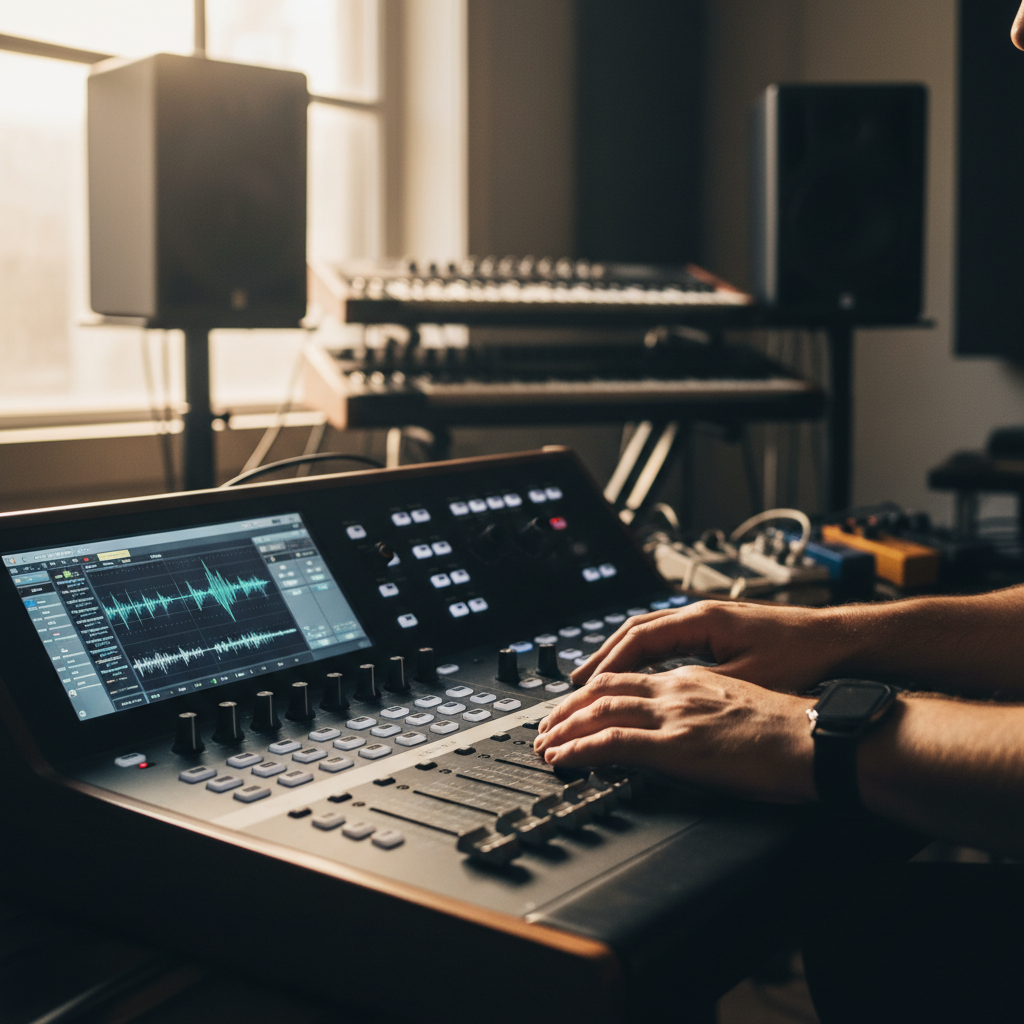
What Tools Are Used in the Mastering Process?
Mastering engineers use a combination of software and hardware tools to achieve the desired sound. Common tools include equalizers, compressors, limiters, and enhancers. These tools help adjust frequency balance, control dynamics, and enhance the stereo image of the audio.
Software such as digital audio workstations (DAWs) plays a significant role in the process, allowing precise control and manipulation of audio. Understanding how to use these tools effectively is key to successful audio mastering.
How Long Does the Mastering Process Take?
The time required for mastering can vary depending on the complexity of the project and the number of tracks. Generally, it can take anywhere from a few hours to a few days. A skilled mastering engineer will take the time needed to ensure the best possible outcome.
Can I Master My Own Music?
While it's possible to master your own music, it requires a good understanding of the process and the right tools. Many artists choose to work with professional mastering engineers who have the experience and equipment necessary to achieve the best results. A fresh set of ears can also provide valuable insights and improvements.
However, if you're interested in mastering your own tracks, there are plenty of resources and tutorials available to help you get started. Investing in quality software and learning the fundamentals is crucial.
How Do I Choose a Mastering Engineer?
Choosing the right mastering engineer is vital for achieving the sound you want. Look for someone with experience in your genre and a portfolio of work you admire. Communication is key, so ensure you can effectively convey your vision and expectations.
It's also important to discuss the tools they use and their approach to mastering. A good engineer will provide feedback and be open to revisions, ensuring your satisfaction with the final product.