
Audio Mastering vs. Mixing: What’s the Difference?


Understanding Audio Mastering and Mixing
In the world of music production, two crucial processes often cause confusion: mixing and mastering. Both are vital to the final sound of a track, but they serve distinct purposes. Understanding the difference can help you achieve the best possible sound for your music.
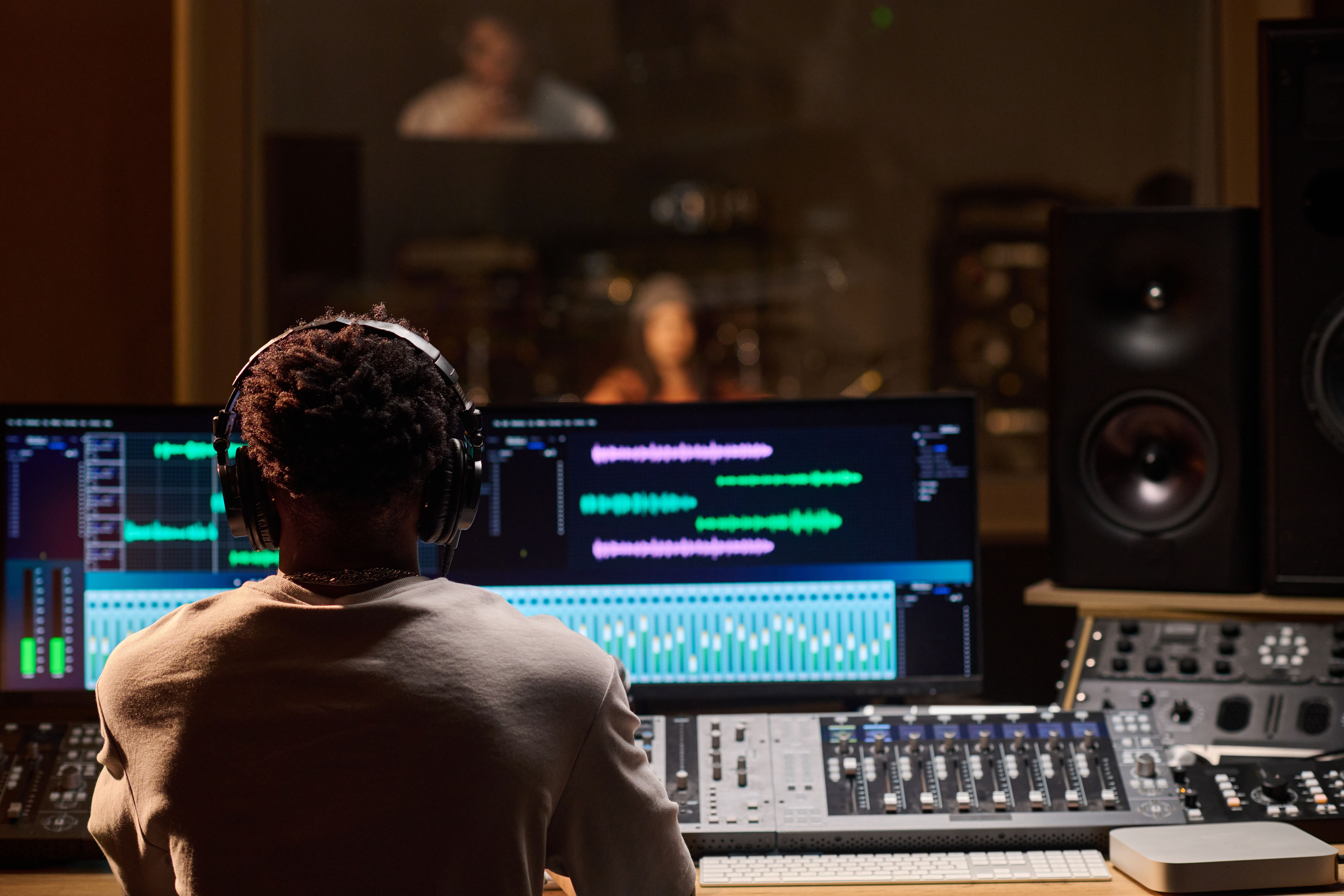
What is Mixing?
Mixing is the process of blending individual tracks together to create a cohesive song. This involves adjusting levels, panning sounds across the stereo field, and applying effects like reverb and delay. The goal is to ensure each element of the song complements the others, creating a balanced and engaging listening experience.
During mixing, producers focus on the following tasks:
- Balancing the levels of each track
- Applying EQ to enhance or reduce frequencies
- Adding effects to create depth and texture
- Automating volume and effects changes

The Art of Mastering
Mastering is the final step before distribution, where the mixed track is polished to ensure it sounds great on all playback systems. This process involves enhancing the overall sound, optimizing volume levels, and ensuring consistency across an album.
Key tasks in mastering include:
- Equalization and compression for a balanced sound
- Maximizing loudness without causing distortion
- Ensuring stereo width and depth
- Preparing the track for various formats

Why Both Are Essential
Both mixing and mastering are essential for different reasons. While mixing focuses on individual elements, mastering ensures the entire track or album sounds polished and professional. Skipping either step can lead to a track that lacks clarity or impact.
Mixing gives each element its place, while mastering ensures the overall sound is cohesive and competitive. Together, they create a final product that resonates with listeners and stands out in the market.
Common Misconceptions
A common misconception is that mastering can fix a bad mix. In reality, mastering enhances a well-mixed track. If the mix is flawed, mastering can only do so much. This is why both processes require skill and attention to detail.
Another misconception is that mastering is only about making a track louder. While loudness is a factor, the true purpose of mastering is to ensure the track sounds its best across all formats and devices.
Conclusion
In summary, mixing and mastering are two distinct but interconnected processes in audio production. Understanding their differences and purposes can help you produce music that not only sounds good but also meets industry standards. Whether you’re an aspiring producer or a seasoned musician, mastering these skills can elevate your sound to new heights.