Common Audio Mastering Myths Debunked


Understanding the Basics of Audio Mastering
Audio mastering is often shrouded in mystery, leading to a number of myths and misconceptions. Many believe it's a magical process that can fix any problem in a mix, but mastering is more about enhancing and finalizing a track. It's crucial to understand what mastering can truly accomplish.

Myth 1: Mastering Can Fix a Bad Mix
One of the most common myths is that mastering can salvage a poorly mixed track. In reality, mastering is about polishing a well-mixed song. If the mix has issues, such as unbalanced levels or poor EQ, those problems will carry through to the final product. It's essential to start with a solid mix before moving to the mastering phase.
Myth 2: Mastering Makes Your Track Louder
While mastering can increase the overall loudness of a track, it's not just about cranking up the volume. The goal is to ensure the track sounds balanced and cohesive across different playback systems. Mastering involves compression, equalization, and limiting, but these tools are used to enhance the track, not just make it louder.
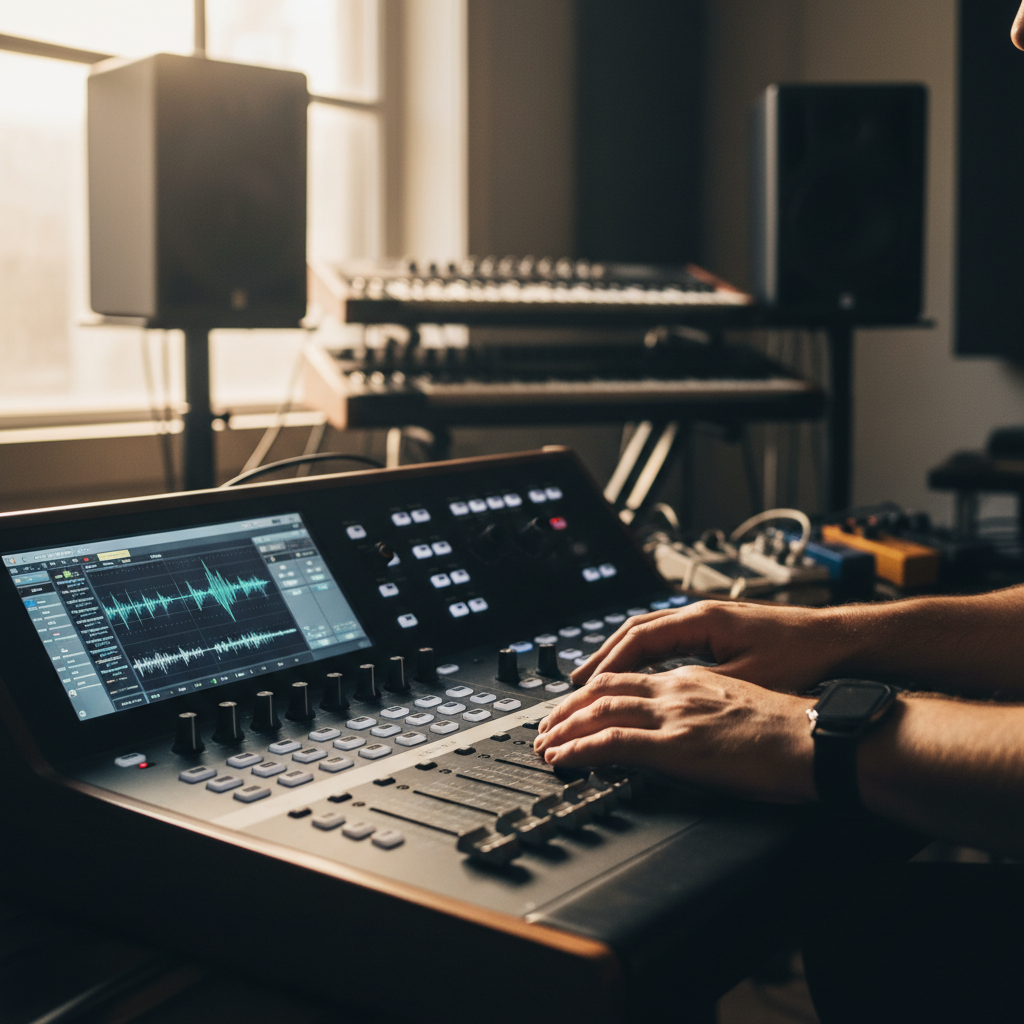
Debunking Misconceptions About Mastering Tools
Many believe that expensive gear is necessary for professional mastering. However, with advancements in technology, excellent results can be achieved with digital tools and plugins. The skill of the engineer is often more important than the tools themselves.
Myth 3: Only Analog Gear Produces Quality Sound
There's a romantic notion that only analog equipment can deliver the warmth and depth needed in mastering. While analog gear can offer unique characteristics, digital tools have become incredibly sophisticated. A skilled engineer can achieve excellent results with either setup, focusing on the needs of the track.

Myth 4: Mastering Is Just Applying Presets
Some people think mastering is as easy as applying a preset. While presets can be helpful starting points, mastering is a highly individualized process. Each track is unique and requires careful attention to detail. A professional mastering engineer listens critically and makes adjustments based on the specific needs of the track.
The Importance of Professional Mastering
Mastering is often viewed as an optional step, but it plays a crucial role in the music production process. It ensures that tracks sound professional and are ready for distribution on various platforms. A well-mastered track can make a significant difference in how a song connects with its audience.
In conclusion, understanding the realities of audio mastering can help artists and producers make informed decisions. By dispelling these myths, musicians can better appreciate the value of mastering and what it truly brings to their music.