DIY Audio Mastering: Expert Tips from D.A.B Mastering


For many aspiring musicians and producers, the allure of DIY audio mastering offers both a creative outlet and a cost-effective solution. However, diving into the world of audio mastering requires more than just good software; it demands a nuanced understanding of sound. Here, we share insights from the experts at D.A.B Mastering to help you polish your tracks to perfection.
Understanding the Basics of Audio Mastering
Before you start, it's crucial to understand what audio mastering entails. Mastering is the final step in music production, where tracks are balanced, enhanced, and prepared for distribution. It ensures your music sounds cohesive across all playback systems.
While professional studios have the advantage of high-end equipment, DIY mastering can still achieve excellent results with the right approach. The key is to focus on the fundamentals and build your skills over time.
Essential Tools for DIY Mastering
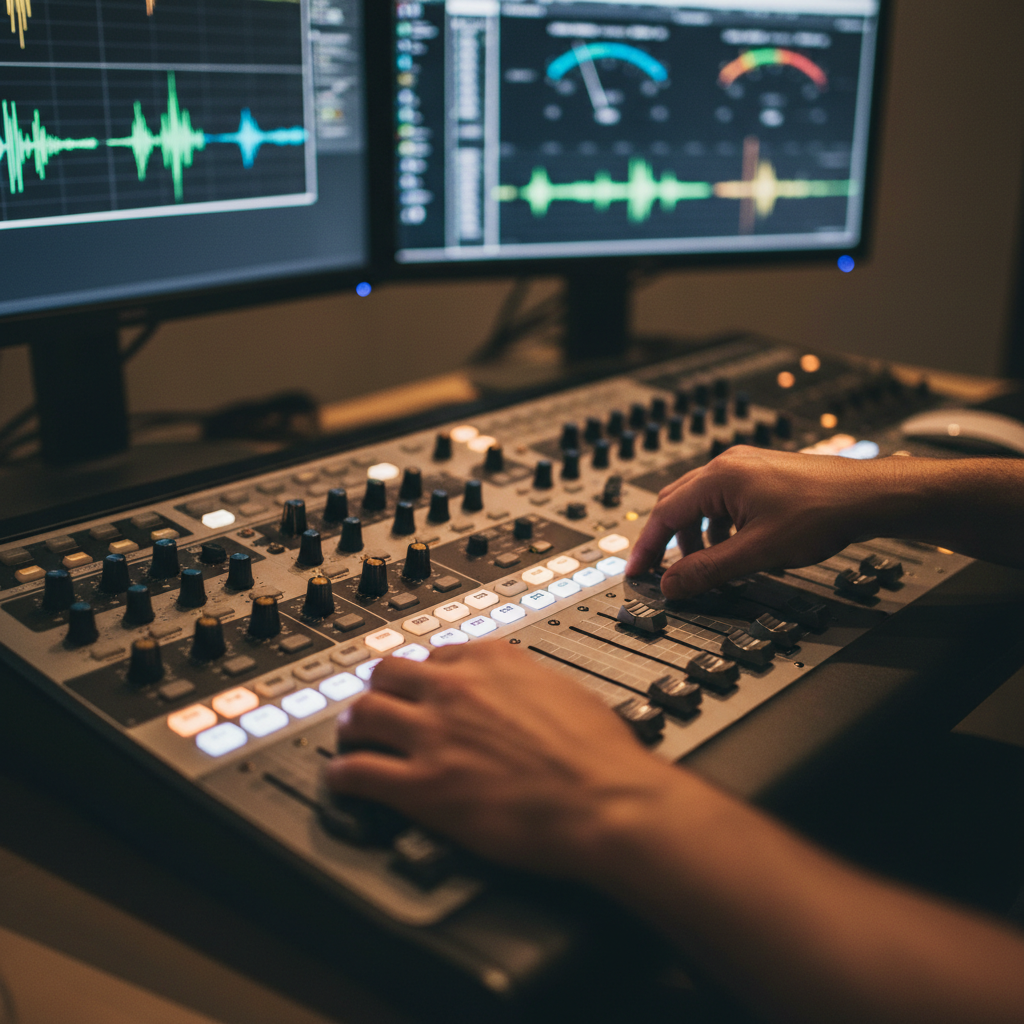
A successful DIY mastering session begins with the right tools. Here are a few essentials you'll need:
- Digital Audio Workstation (DAW): A robust DAW is the backbone of your mastering process. Popular choices include Ableton Live, Logic Pro, and Pro Tools.
- Quality Plugins: Invest in quality EQ, compression, and limiting plugins. They are crucial for shaping your sound.
- Accurate Monitoring: Use high-quality speakers or headphones to ensure your mix translates well to all systems.
Mastering Techniques for Superior Sound
Once you have the right tools, the next step is to apply effective techniques. Here are some expert tips from D.A.B Mastering:
Balancing Frequency Ranges
One of the primary goals in mastering is to achieve balance across all frequency ranges. Use EQ to carve out space for each element of your track, ensuring no frequency range is overpowering the others. Proper EQ can bring clarity and punch to your music.
Dynamic Range Control
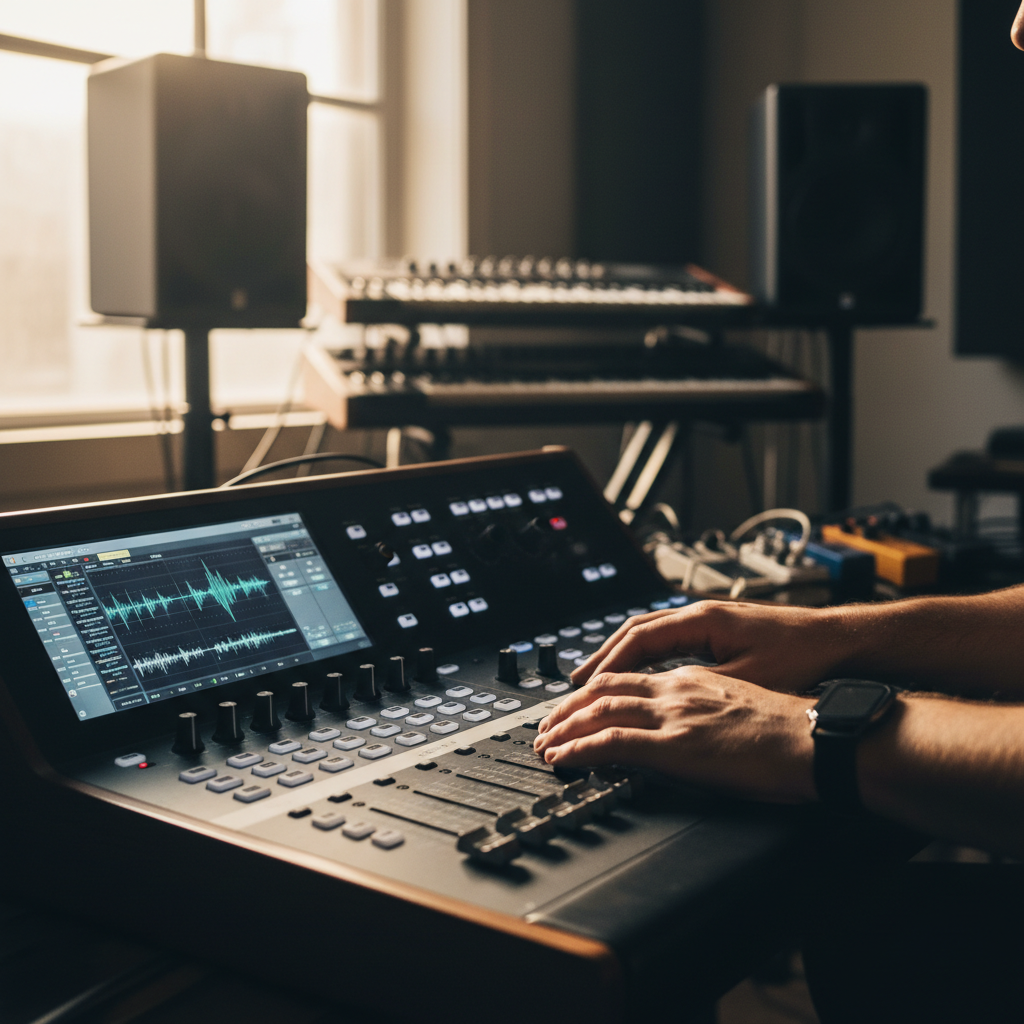
Dynamics are crucial for maintaining energy and emotion in your music. Compression is your tool for controlling dynamics, but it's essential to use it judiciously. Over-compression can squash the life out of your mix, so aim for a balance that preserves the track's natural dynamics.
Adding the Final Touches
The final step in mastering is to add the finishing touches that make your track shine. This includes:
- Limiting: Apply a limiter to ensure your track reaches the desired loudness without distortion.
- Stereo Enhancement: Use stereo imaging tools to widen your mix and enhance spatial depth.
- Reference Tracks: Always compare your master with reference tracks in the same genre to ensure competitive quality.
Mastering is both an art and a science. It requires patience, practice, and a keen ear. By incorporating these expert tips from D.A.B Mastering, you can elevate your DIY mastering skills and bring your music to a professional level.