
DIY Audio Mixing Tips: Achieving Professional Sound from Home


Setting Up Your Home Studio
Creating a professional sound from home begins with the right setup. Ensure your space is acoustically treated. This doesn't mean you need expensive panels; even some well-placed cushions or curtains can help dampen echoes and unwanted reverberations. Consider the placement of your desk and speakers to form an equilateral triangle, ensuring balanced sound distribution.
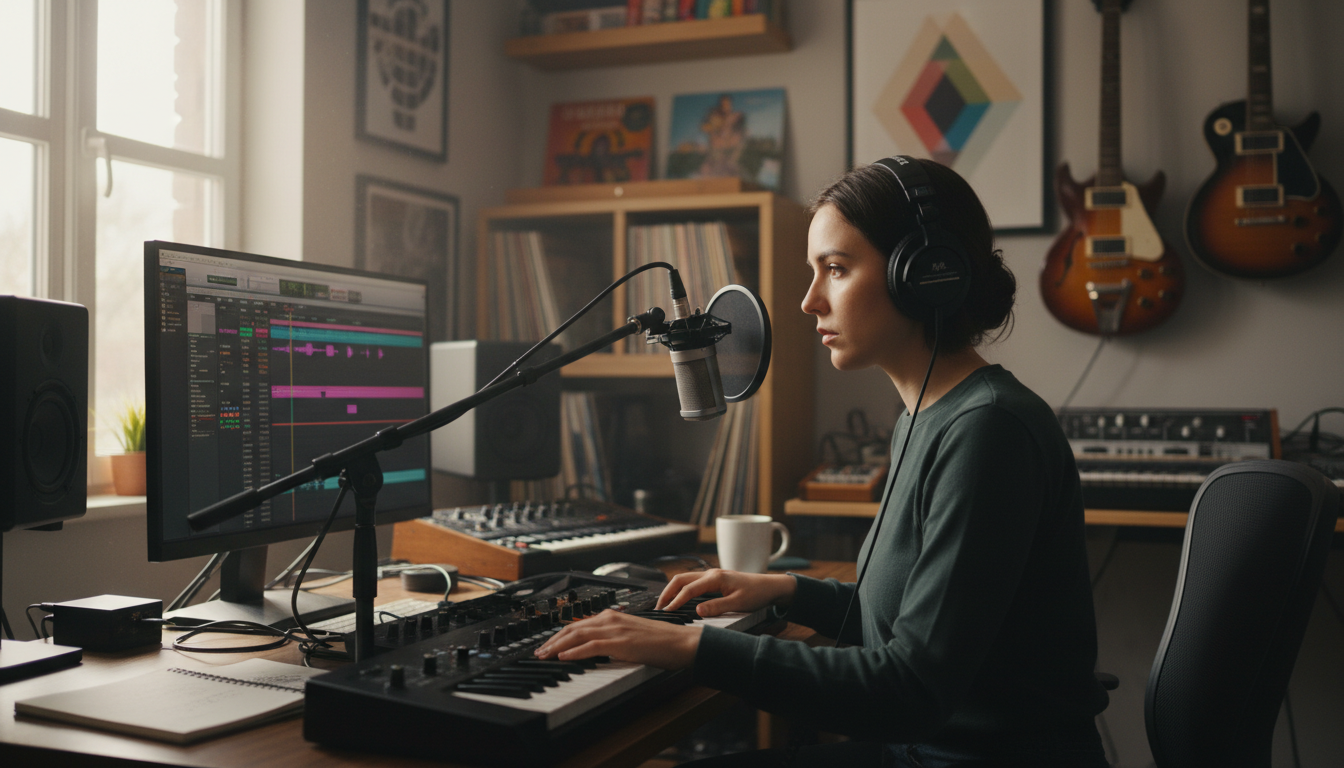
Investing in quality equipment is crucial. A decent pair of studio monitors and headphones are essential for accurate sound reproduction. While it might be tempting to buy the latest gadgets, focus on getting the essentials that suit your specific needs and budget.
Mastering the Basics of Equalization
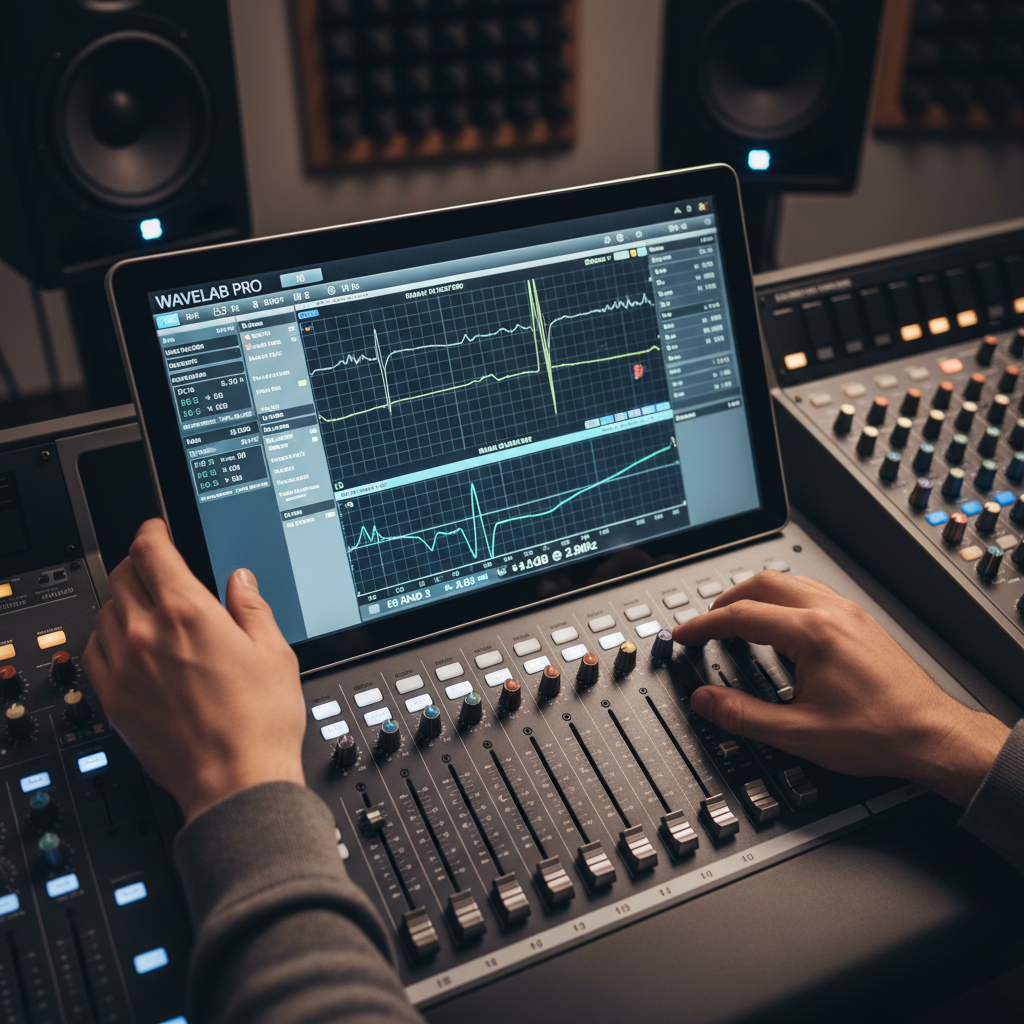
Equalization (EQ) is the art of adjusting the balance between frequency components. Start by familiarizing yourself with the frequency spectrum. Each instrument occupies a unique range, and understanding this helps in making precise adjustments. Avoid the common mistake of boosting all frequencies; instead, focus on enhancing or cutting specific bands to achieve clarity.
For example, if your mix sounds muddy, try cutting the low-mid frequencies around 250-500 Hz. Conversely, if it lacks presence, gently boost the higher frequencies. Remember, subtlety is key in EQ adjustments.
The Role of Compression in Mixing
Compression is a powerful tool for controlling the dynamics of your audio tracks. It helps balance the loud and soft parts of your recording, ensuring a consistent listening experience. Start with a low ratio and gradually increase it while listening closely to the changes. Be cautious of over-compression, which can make your mix sound lifeless.
Each instrument may require different compression settings. For instance, vocals might benefit from a faster attack and release to maintain clarity, while drums might need a slower attack to preserve their punch.
Utilizing Reverb and Delay
Reverb and delay add depth and space to your mix. While it's easy to go overboard, a touch of reverb can make a track feel more natural and immersive. Experiment with different reverb types and settings to find what complements your mix.
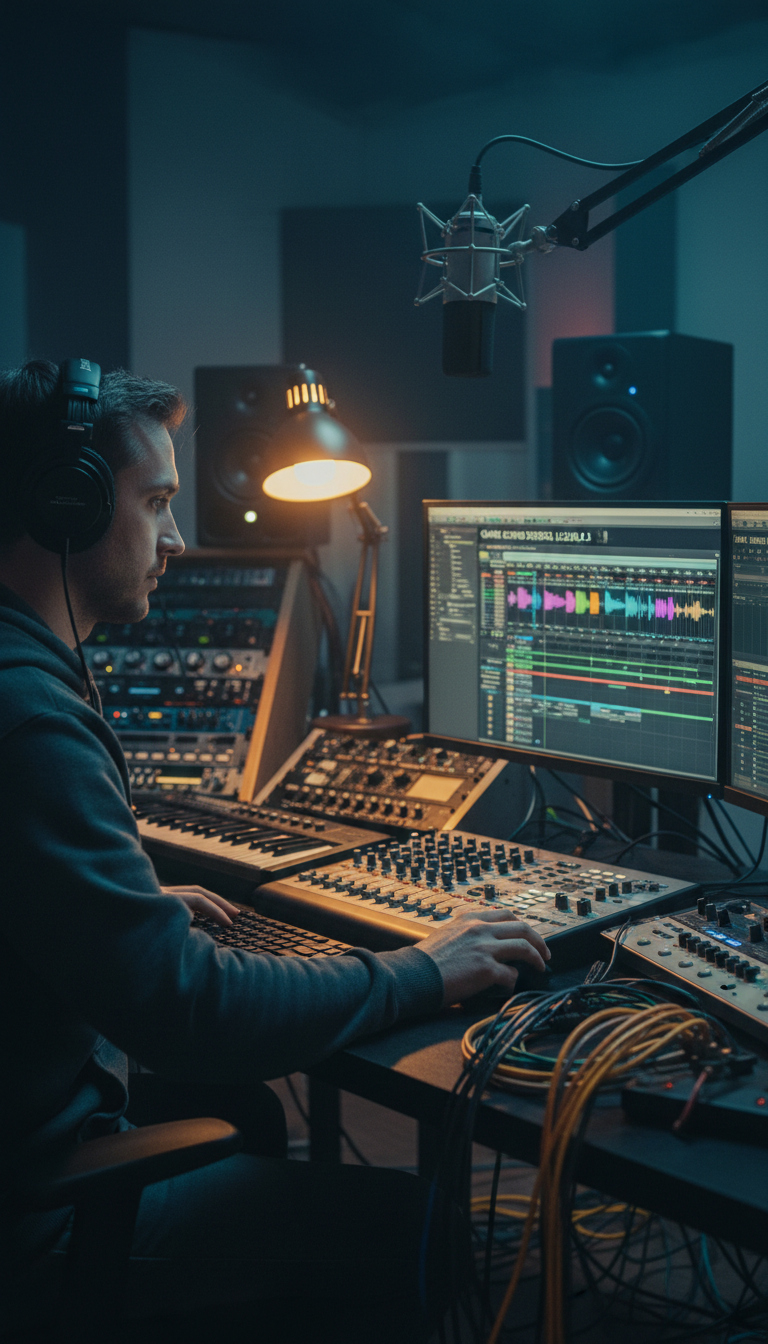
Delay, on the other hand, can be used creatively to add rhythmic interest. Whether it's a subtle slapback on vocals or a timed echo on a guitar riff, delay can enhance the overall texture of your mix when used thoughtfully.
Finalizing Your Mix
Once you've balanced your tracks, it's time to finalize your mix. Always reference your mix on different playback systems, such as car speakers, headphones, and even smartphone speakers. This ensures it translates well across various listening environments.
Export your mix in high-quality formats and consider creating multiple versions for specific platforms if needed. With practice and patience, achieving a professional sound from home is entirely possible.