
Exploring the Art of Mixing: Tips from D.A.B Mastering


Understanding the Basics of Mixing
Mixing is an essential part of music production, where individual tracks are combined to create a cohesive and polished final product. It's both an art and a science, requiring a keen ear and technical skill. At D.A.B Mastering, we believe that understanding the fundamentals of mixing can greatly enhance your music's quality.
The first step in mixing is organizing your session. Label tracks clearly and group similar ones together. This organization helps streamline the process and allows for more efficient editing. Once organized, balancing levels is crucial. Ensuring that no single track overpowers the others can make a significant difference in the overall sound.
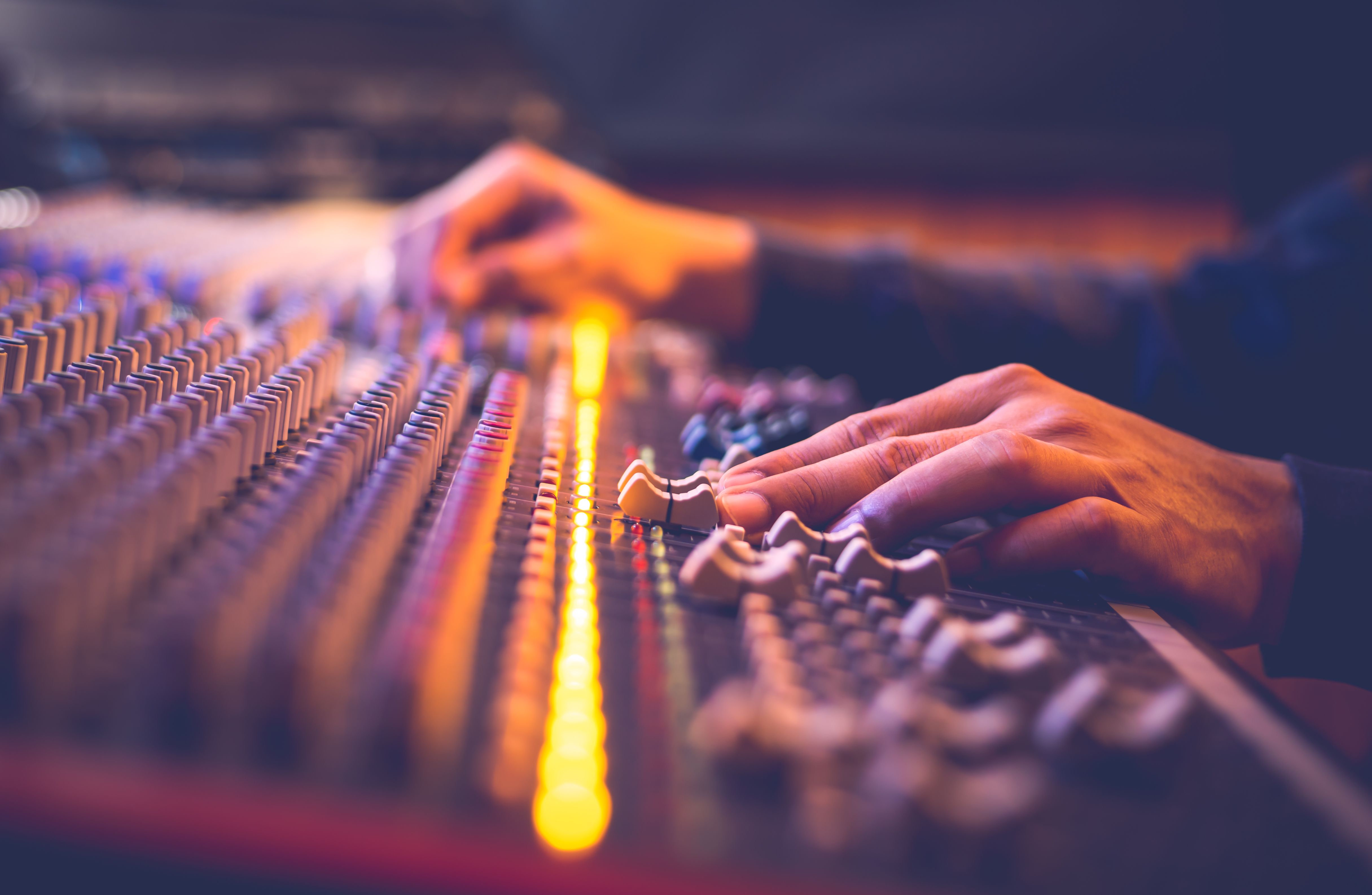
Another fundamental aspect is panning. By strategically placing instruments in the stereo field, you can create a more immersive and dynamic sound. This technique helps in giving each element its space, preventing clutter in the mix.
Crafting the Perfect Mix
Once the basics are in place, it's time to dive into more advanced techniques. Equalization (EQ) is a powerful tool that can shape the tonal balance of your mix. By cutting unwanted frequencies and boosting desired ones, you can highlight the best features of each track.
Compression is another key element. It helps in controlling the dynamic range of your tracks, ensuring that softer sounds are audible while taming louder peaks. Using compression effectively can add punch and clarity to your mix.
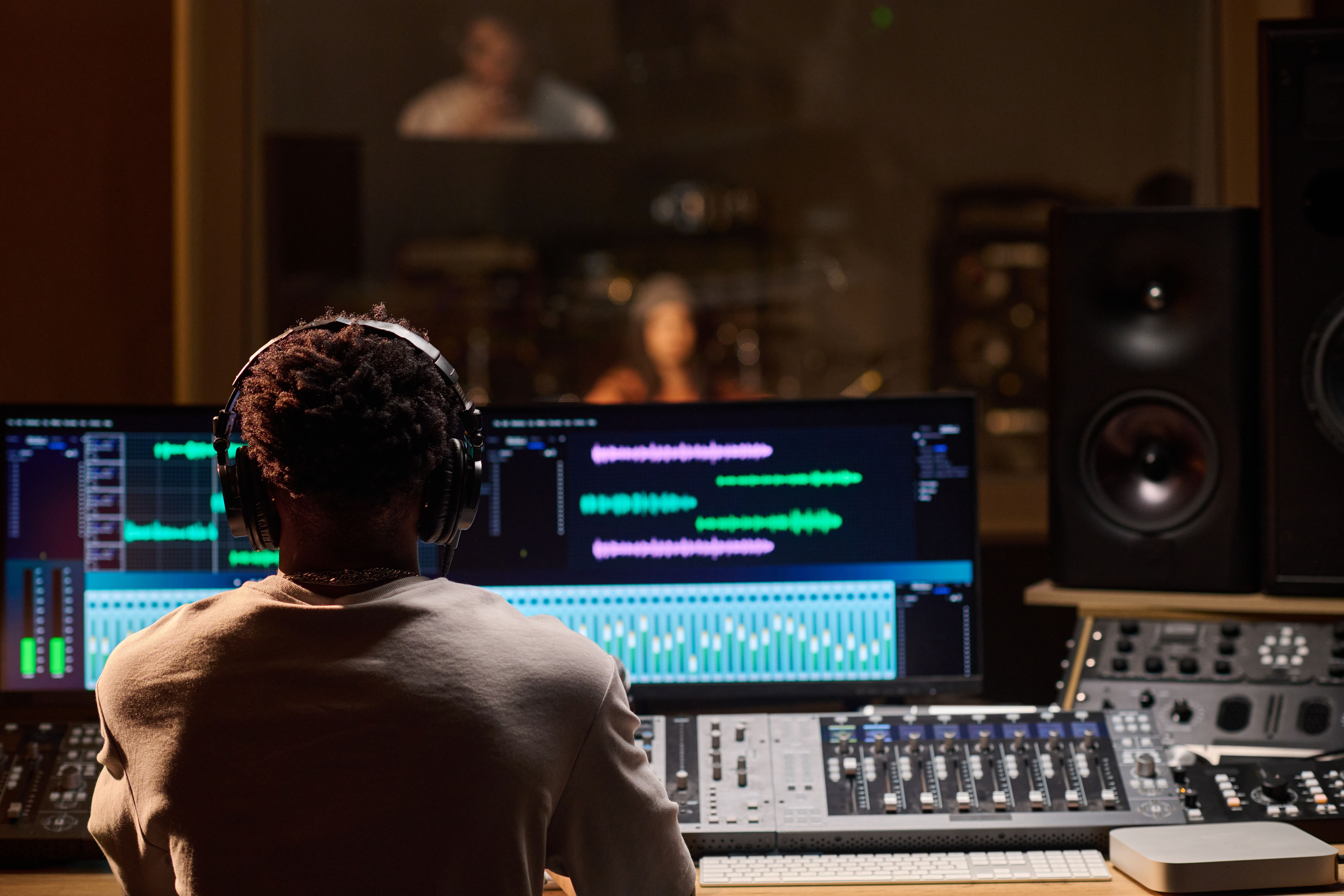
Reverb and delay are essential effects that add depth and space to your mix. Reverb can simulate different acoustic environments, while delay creates an echo effect. Both should be used tastefully to avoid overwhelming the listener.
Tips from the Experts at D.A.B Mastering
Our team at D.A.B Mastering offers some insider tips for achieving a professional mix. First, always mix at a moderate volume level. Mixing too loud can lead to ear fatigue, affecting your judgment. Lower volumes ensure you hear the true balance of the mix.
It's also important to take breaks. Long mixing sessions can lead to diminishing returns as your ears become desensitized. Regular breaks help maintain perspective and keep your ears fresh.
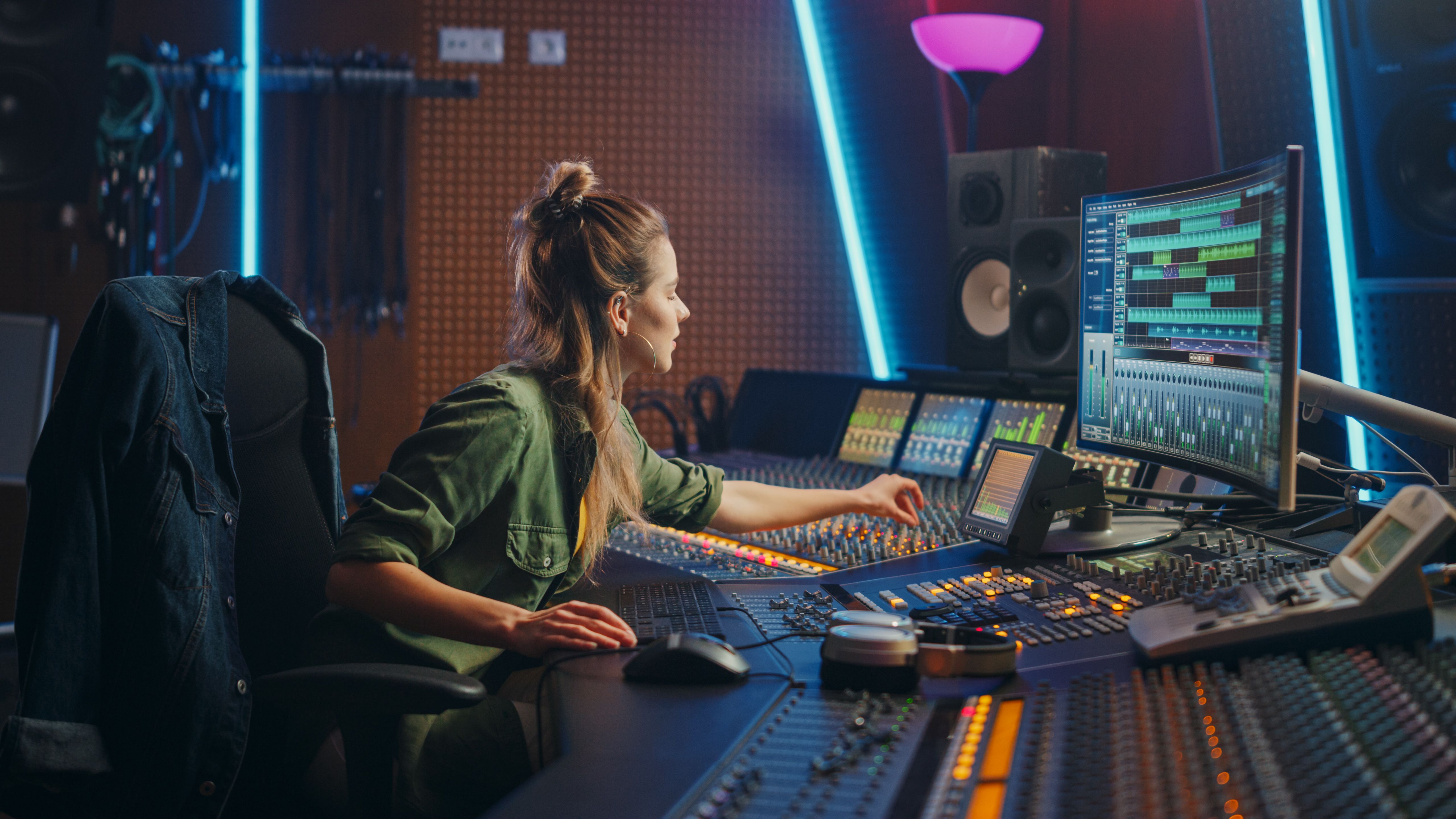
Lastly, always reference your mix on different playback systems. From high-end studio monitors to basic headphones, this practice ensures your mix translates well across various devices.
Conclusion
Mixing is a complex process that combines creativity with technical prowess. By mastering the basics and utilizing advanced techniques, you can elevate your music to new heights. At D.A.B Mastering, we're passionate about helping you achieve the perfect mix. Whether you're a seasoned pro or just starting, these tips can guide you on your journey to creating exceptional sound.