
Exploring the Latest Innovations in Audio Mastering Technology


The Evolution of Audio Mastering
In recent years, audio mastering technology has undergone remarkable transformations. As the final step in the music production process, mastering ensures that tracks sound polished and professional across various platforms. Thanks to advancements in digital technology, mastering has become more accessible and efficient.
Traditionally, mastering was a meticulous process handled by seasoned engineers using analog equipment. However, the rise of digital audio workstations (DAWs) has revolutionized this practice. Today, innovative software solutions offer musicians and producers the tools to master their tracks from the comfort of their studios.
AI-Powered Mastering Tools
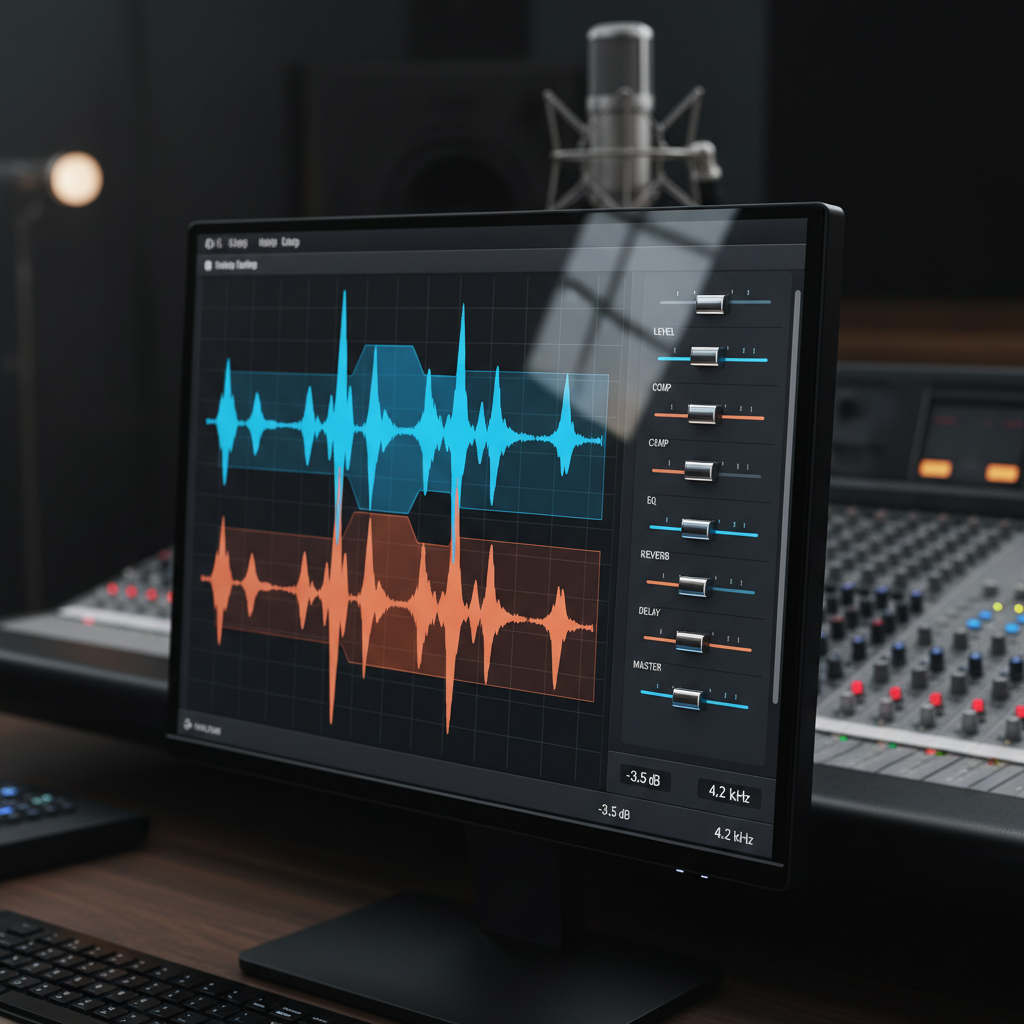
One of the most significant innovations in this field is the integration of Artificial Intelligence (AI). AI-powered mastering tools analyze audio tracks and apply necessary adjustments automatically. These tools can detect frequency imbalances, dynamic range issues, and more, providing suggestions or making changes in real-time.
AI mastering platforms like LANDR and iZotope's Ozone have democratized the process, allowing even amateur musicians to achieve professional sound quality. While some purists argue that AI lacks the human touch, the convenience and efficiency of these tools cannot be denied.
Cloud-Based Mastering Services
Cloud technology has also made its mark on audio mastering. Cloud-based services offer flexibility and scalability, allowing users to upload their tracks, apply desired settings, and receive mastered versions without needing powerful local hardware.
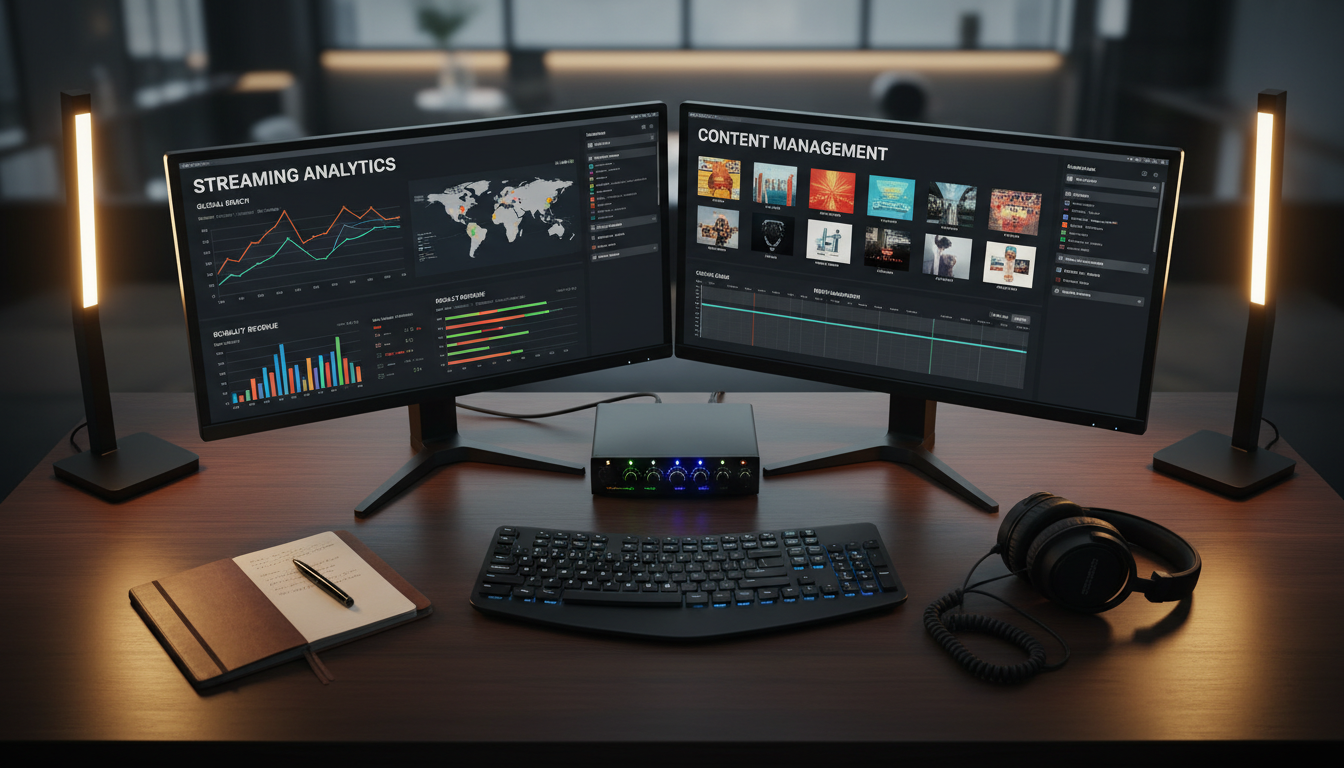
These services often provide a range of options, from basic mastering to in-depth customization. By leveraging the power of cloud computing, musicians can access high-quality mastering tools anytime, anywhere.
Virtual Reality and Spatial Audio
Another fascinating development is the use of virtual reality (VR) and spatial audio in mastering. As immersive experiences become more popular, the demand for spatial audio—sound that moves around the listener—has surged.
Mastering for VR involves creating audio experiences that adapt to the listener's movements and environment. This requires a different approach, as engineers must ensure that audio elements seamlessly interact within a 3D space.

The Future of Audio Mastering
Looking ahead, the future of audio mastering is bright and filled with potential. As technologies continue to evolve, mastering will likely become even more integrated with other aspects of music production. We can expect further innovations in AI, VR, and machine learning to shape this field.
Ultimately, the goal remains the same—to deliver high-quality audio that enhances the listener's experience. Whether it's through cutting-edge software or traditional methods, the art of mastering continues to be an essential part of music production.