
How Seasonal Changes Affect Audio Production Quality: Tips for Optimal Sound


As the seasons change, so too do the environmental conditions that can affect audio production quality. Understanding these factors and how they impact your work is crucial for maintaining optimal sound in your recordings.
Temperature Fluctuations
Temperature can significantly influence audio equipment. Cold temperatures may cause cables to become brittle, while excessive heat can lead to equipment overheating. Both extremes can result in equipment failure or degraded sound quality.
To combat this, always store your gear in a temperature-controlled environment. Consider using climate-controlled storage or investing in portable temperature solutions when working on location.
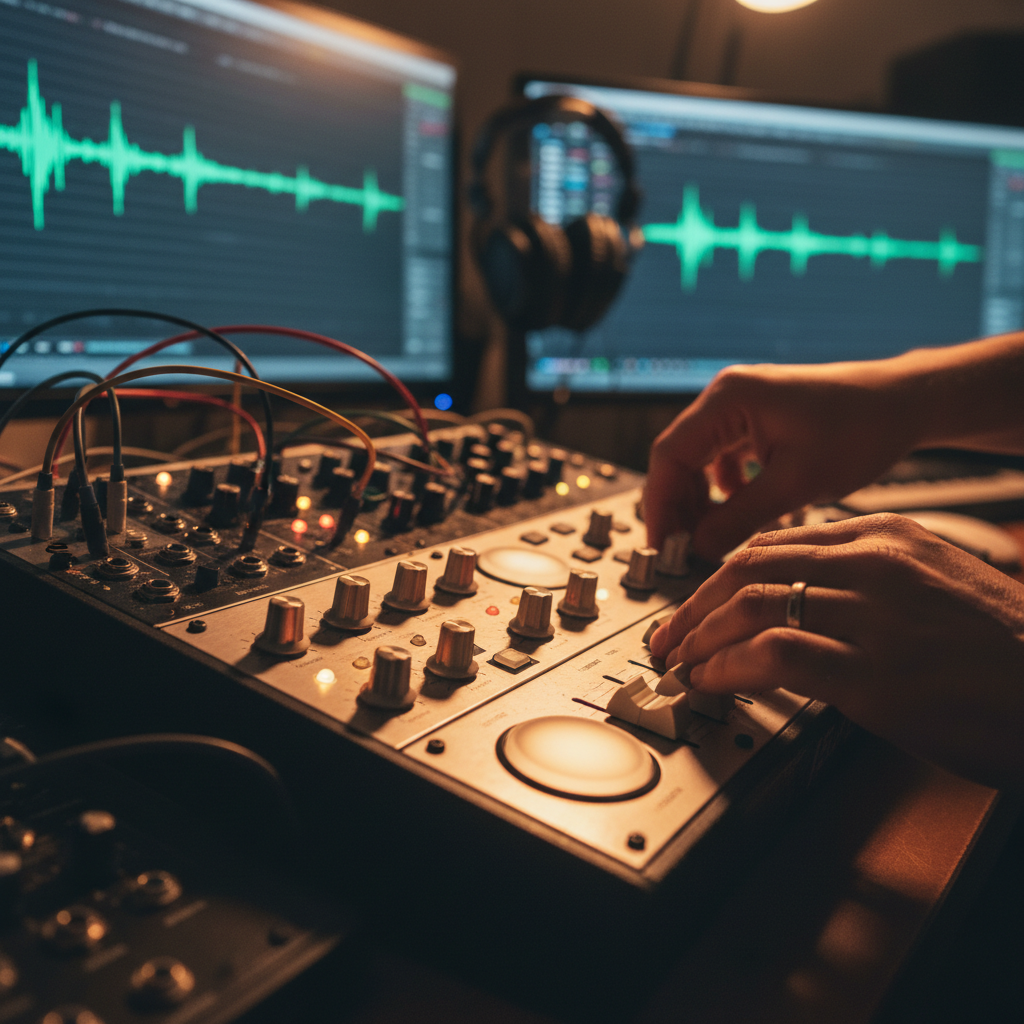
Humidity Levels
Humidity is another critical factor. High humidity can cause condensation on equipment, leading to potential damage or malfunction. Conversely, low humidity can cause static issues and may affect wooden instruments.
Monitoring and regulating humidity levels in your studio is essential. Dehumidifiers or humidifiers can help maintain a stable environment, protecting both your equipment and your sound quality.
Acoustic Changes
The acoustic properties of a room can change with the seasons. For instance, windows might be opened more often in warmer months, introducing external noise. Conversely, heating systems in winter can add unwanted sounds to recordings.
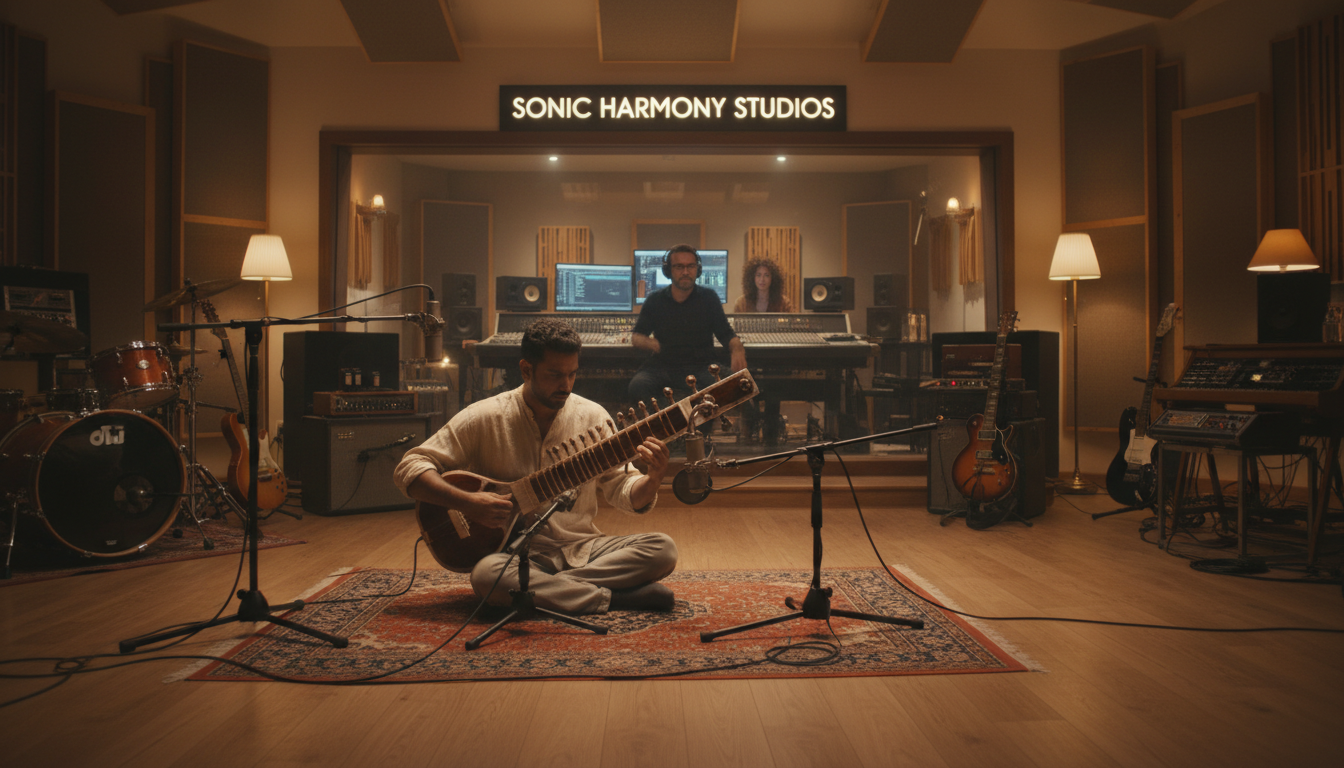
To maintain consistent acoustics, consider investing in soundproofing materials. Heavy curtains or acoustic panels can help minimize the impact of seasonal changes on your recordings.
Instrument Tuning
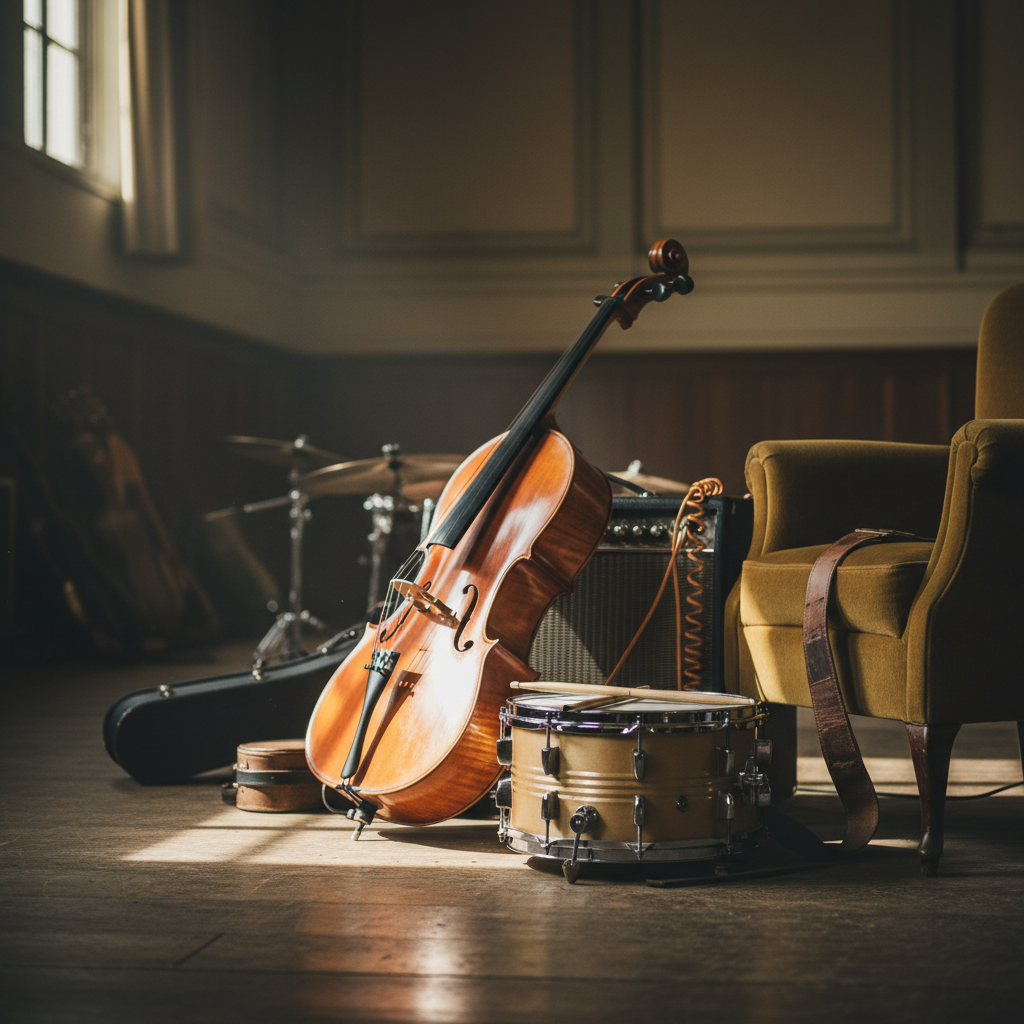
Instruments, particularly those made of wood, are highly susceptible to changes in temperature and humidity. Guitars, pianos, and string instruments can go out of tune as the seasons change.
Regular tuning and maintenance are necessary to ensure your instruments remain in peak condition. Keeping them in a controlled environment when not in use can also help reduce the impact of seasonal changes.
Microphone Sensitivity
Microphones can pick up environmental changes, affecting the clarity and quality of your recordings. Wind, rain, and even changes in air pressure can introduce unwanted noise.
Using windshields or pop filters can help mitigate these effects. Additionally, positioning your microphones strategically can minimize the impact of these environmental factors.
Practical Tips for Optimal Sound
To ensure the best possible audio production quality year-round, consider the following tips:
- Regularly inspect and clean your equipment to prevent damage from environmental changes.
- Maintain a consistent, controlled environment for both recording and storing equipment.
- Be aware of seasonal weather patterns and plan your recording sessions accordingly.
By taking these steps, you can ensure that your audio production remains unaffected by the seasons, resulting in consistently high-quality sound.