
Mastering vs. Mixing: Understanding the Key Differences


Introduction to Audio Production
In the world of audio production, two critical processes stand out: mixing and mastering. Both play vital roles in crafting the final sound of a track, yet they serve distinct purposes. Whether you're a budding musician or a seasoned producer, understanding the differences between these two stages is essential for achieving professional-quality audio.
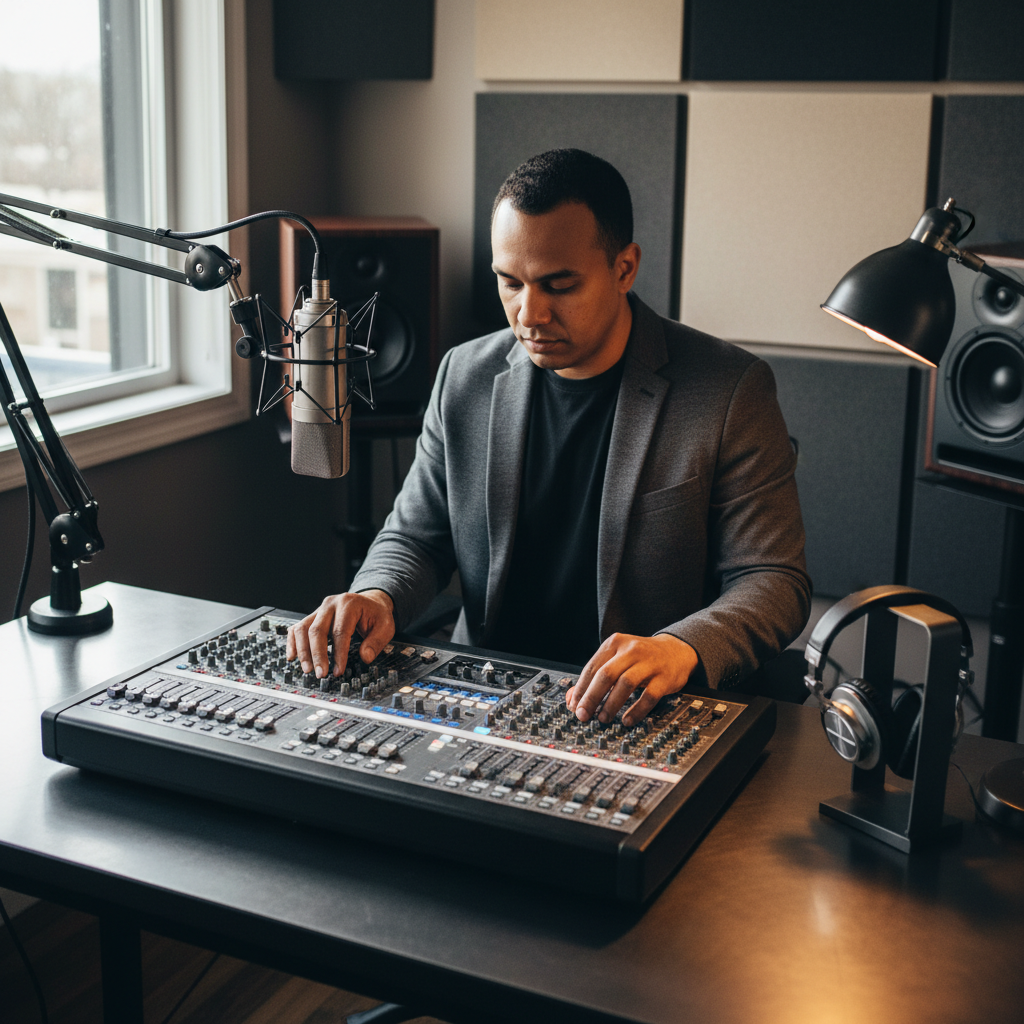
What is Mixing?
Mixing is the process of blending individual tracks together to create a cohesive audio experience. This stage involves adjusting levels, panning sounds within the stereo field, and applying effects like reverb, delay, and compression. A well-mixed track ensures that each element is balanced and complements the others, creating a harmonious sound.
During mixing, producers often spend hours fine-tuning each sound. The goal is to make sure that every instrument and vocal is heard clearly while contributing to the overall vibe of the track. This involves decisions about which elements should stand out and which should support the mix.
The Art of Mastering
Once mixing is complete, the mastering process begins. Mastering is the final step in audio post-production, preparing the track for distribution. It involves enhancing the overall sound, ensuring consistency across all playback devices, and achieving the desired loudness level.
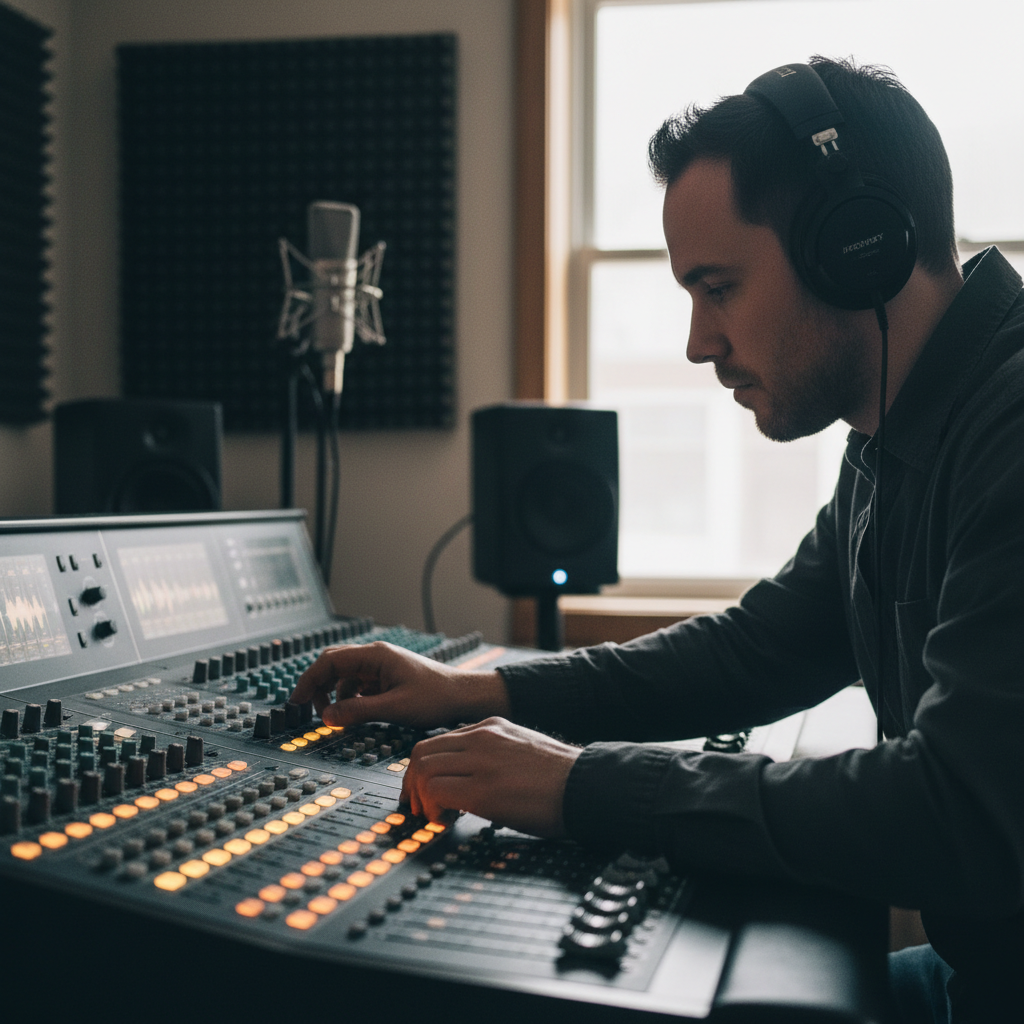
Mastering engineers use specialized tools to apply equalization, compression, and limiting. Their goal is to polish the mix, ensuring that it sounds great whether it’s played on high-end audio systems or standard headphones. Mastering can also involve preparing tracks for specific formats, such as vinyl or digital streaming.
Key Differences Between Mixing and Mastering
While both mixing and mastering aim to enhance audio quality, they focus on different aspects:
- Scope: Mixing deals with individual tracks, while mastering addresses the combined stereo mix.
- Tools: Mixing uses a wide range of effects and adjustments, whereas mastering utilizes precision tools for subtle enhancements.
- Objective: Mixing focuses on balance and clarity; mastering aims for uniformity and final polish.
Why Both Stages are Crucial
Skipping either stage can compromise the quality of your music. A well-mixed track sets the foundation, allowing each element to shine. Without mastering, however, the track may lack the professional finish needed to compete in the music industry.
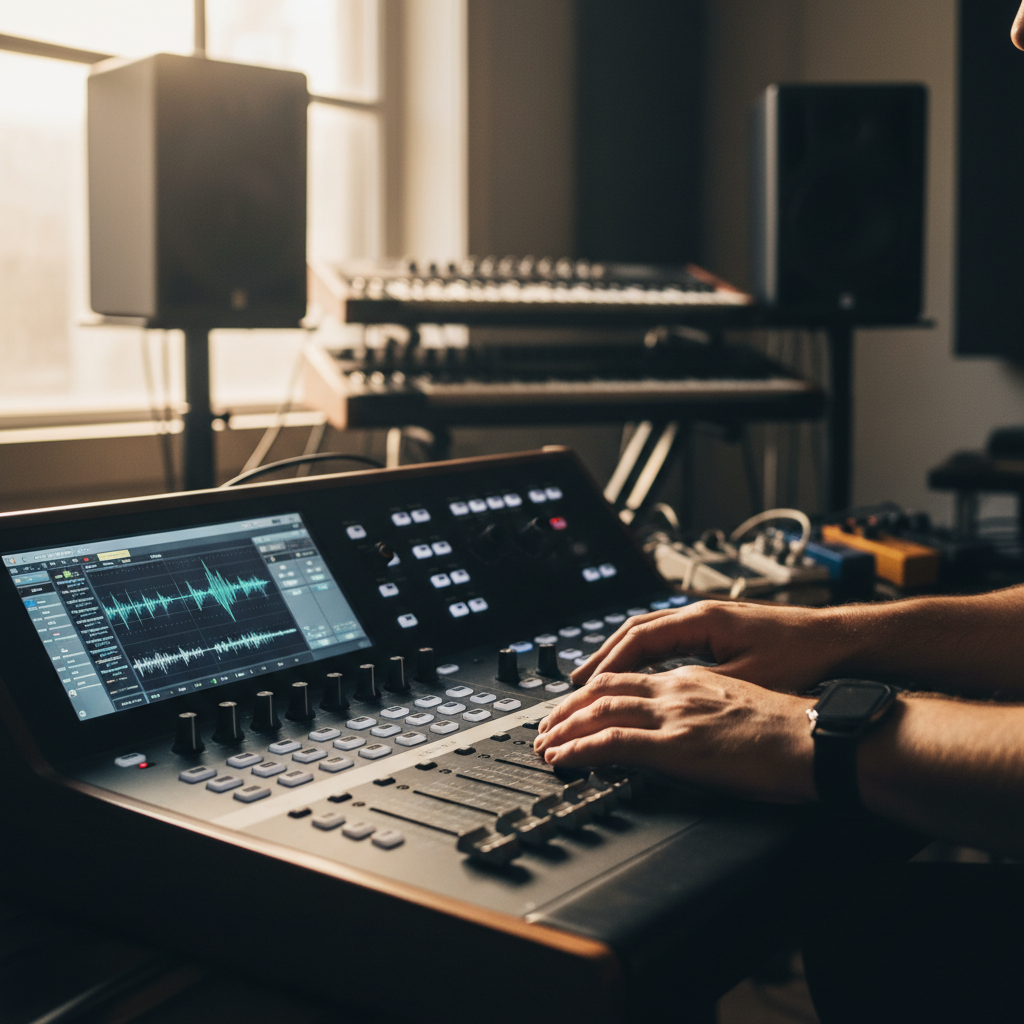
Mastering ensures that your track translates well across diverse playback systems, maintaining its integrity no matter where it's heard. This final touch is what transforms a good mix into a great release.
Conclusion
Understanding the distinct roles of mixing and mastering enables producers to make informed decisions, ultimately enhancing the quality of their work. Whether you're handling these processes yourself or working with audio professionals, appreciating their unique contributions is key to achieving sonic excellence.