
Seasonal Audio Mixing Tips for Optimal Sound Quality


Understanding Seasonal Audio Challenges
Audio mixing is an art that requires not only skill but also adaptation to the changing seasons. Each season brings unique environmental factors that can affect sound quality. Whether it's the humidity of summer or the dryness of winter, understanding these challenges is crucial for achieving optimal sound.
In summer, high humidity can cause sound waves to travel differently, affecting the clarity and balance of your mix. Conversely, winter's dry air can lead to sound distortion. Being aware of these seasonal impacts allows you to adjust your mixing techniques accordingly.
Adapting Your Equipment
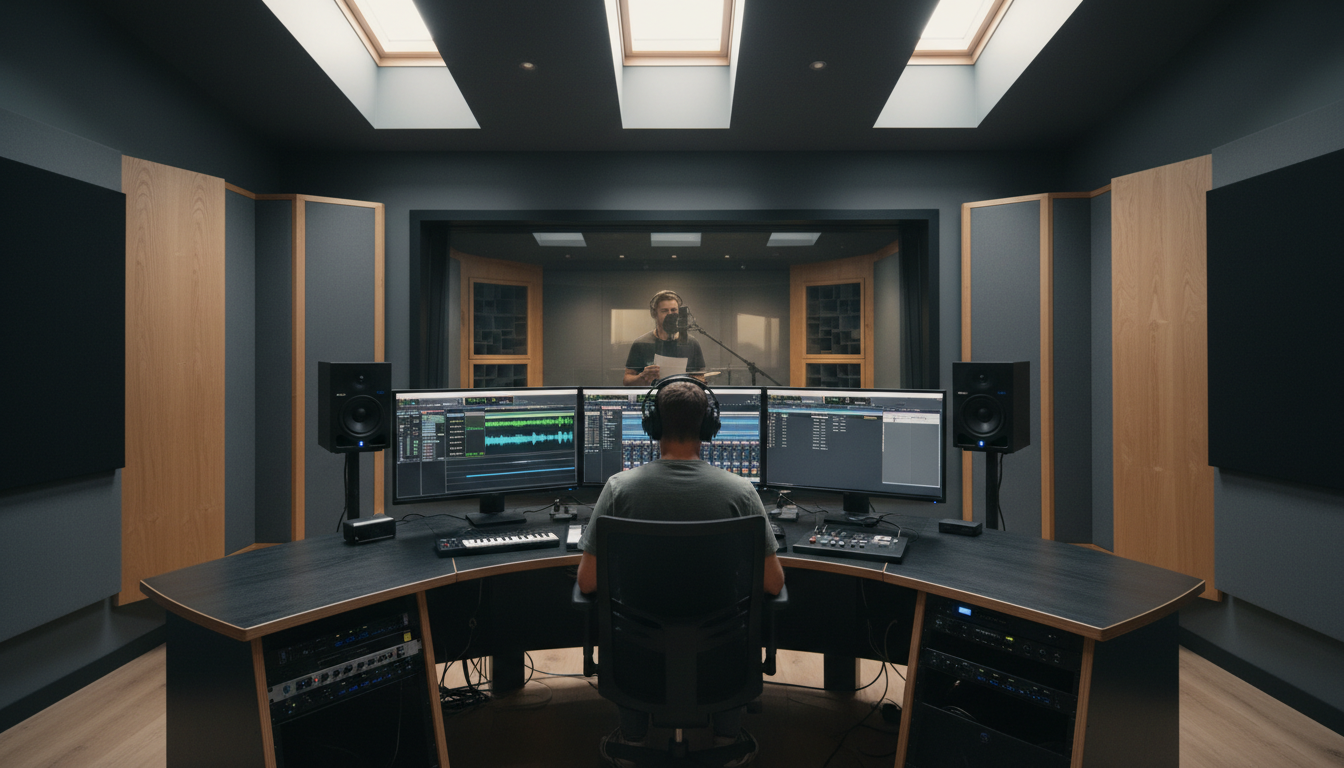
To maintain optimal sound quality throughout the year, it's essential to adapt your equipment to the seasonal changes. For instance, during winter, consider using humidifiers in your studio to combat dry air, which can negatively impact acoustics and equipment performance.
Similarly, in summer, dehumidifiers can help manage excessive moisture levels. Regular maintenance and calibration of your equipment are also vital to ensure consistency in sound quality, regardless of the season.

Mixing Techniques for Each Season
Adjusting your mixing techniques based on the season can significantly enhance sound quality. In winter, when sound tends to be more brittle, focus on adding warmth to your mix. This can be achieved by slightly boosting the lower frequencies and using reverb sparingly.
During summer, clarity can be a challenge due to humidity. Consider reducing low-end frequencies to prevent muddiness and focus on enhancing the mid-range for crispness. Pay attention to the balance and ensure that each element of your mix stands out clearly.
Room Acoustics and Environment
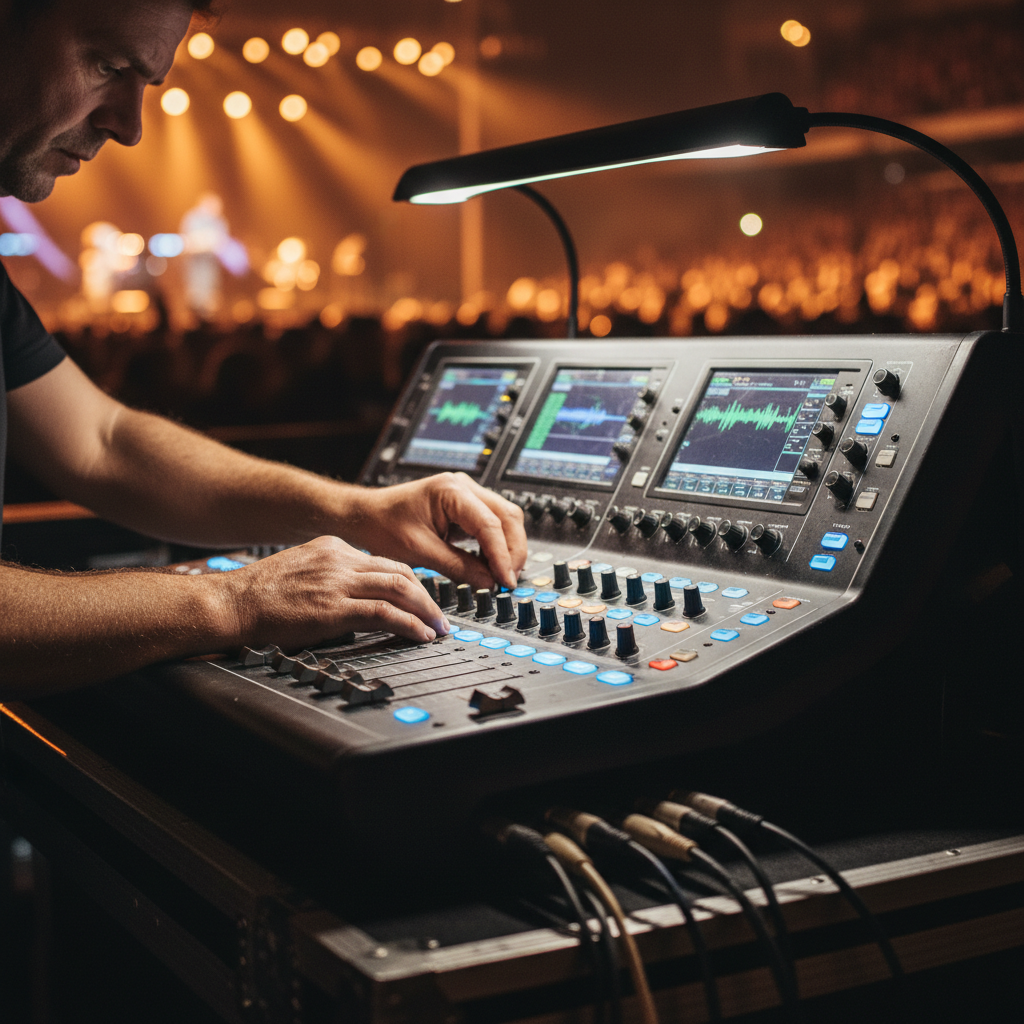
The acoustics of your mixing environment are influenced by the season. In colder months, hard surfaces may reflect sound differently, while in warmer months, softer materials may absorb more sound. It's important to assess your room acoustics regularly and make adjustments as needed.
Use acoustic panels and diffusers to control sound reflections and absorption. These tools can help create a balanced listening environment that is less affected by seasonal changes.
Continuous Monitoring and Adjustment
Seasonal changes in audio mixing require continuous monitoring and adjustment. Regularly listen to your mixes in different environments and make tweaks as necessary. This practice ensures that your sound quality remains consistent and high across all seasons.
Investing in a reliable set of reference headphones or monitors can also aid in maintaining consistency, allowing you to make informed decisions regardless of external conditions.

Conclusion
By understanding and adapting to seasonal challenges, you can ensure that your audio mixes remain at their highest quality year-round. Whether through equipment adjustments, mixing techniques, or environmental modifications, maintaining flexibility and awareness is key to achieving optimal sound.
Embrace the seasons and let them inspire creativity in your audio projects. With these tips, you're well-equipped to handle any seasonal audio challenge that comes your way.