
The Importance of Mixing Before Mastering: A Step-by-Step Guide


Understanding the Difference Between Mixing and Mastering
Mixing and mastering are two distinct stages in audio production, each playing a critical role in creating a polished final product. While they are often mentioned together, they serve different purposes. Mixing involves adjusting and combining individual tracks, while mastering focuses on the final stereo track. Understanding these differences can greatly enhance the quality of your music.
Mixing is all about balance. It involves adjusting levels, EQ, and effects to ensure each element of a track is heard clearly and complements the others. Mastering, on the other hand, prepares the final mix for distribution, ensuring it sounds great on all playback systems.

Why Mixing Comes First
The importance of mixing before mastering cannot be overstated. A well-mixed track lays the foundation for effective mastering. Without a proper mix, mastering cannot reach its full potential. Here are some reasons why mixing is crucial:
- Clarity: Mixing isolates and enhances each element, ensuring clarity and cohesion.
- Balance: Properly mixed tracks maintain balance among elements like vocals, drums, and instruments.
- Energy: Mixing captures the intended energy and emotion of the music.
Step-by-Step Guide to Mixing
Getting the mix right requires attention to detail. Here’s a step-by-step guide to help you through the mixing process:
- Organize Your Tracks: Label and color-code tracks for easy navigation.
- Set Levels: Adjust the volume of each track to create an initial balance.
- EQ and Compress: Use EQ to carve out space for each element, and compression to control dynamics.

Adding Effects and Automation
Once you’ve achieved a basic balance, it’s time to add effects and automation. Effects such as reverb, delay, and modulation can add depth and interest to your mix. Automation allows dynamic changes over time, keeping the listener engaged.
Remember to use effects sparingly; too much can muddy the mix. Automation is key for creating dynamic shifts and keeping the listener’s attention throughout the track.
Preparing for Mastering
After completing the mix, it’s crucial to prepare your track for mastering. This involves exporting the mix at the highest resolution possible and ensuring there is no clipping. Leave some headroom to allow for mastering adjustments.
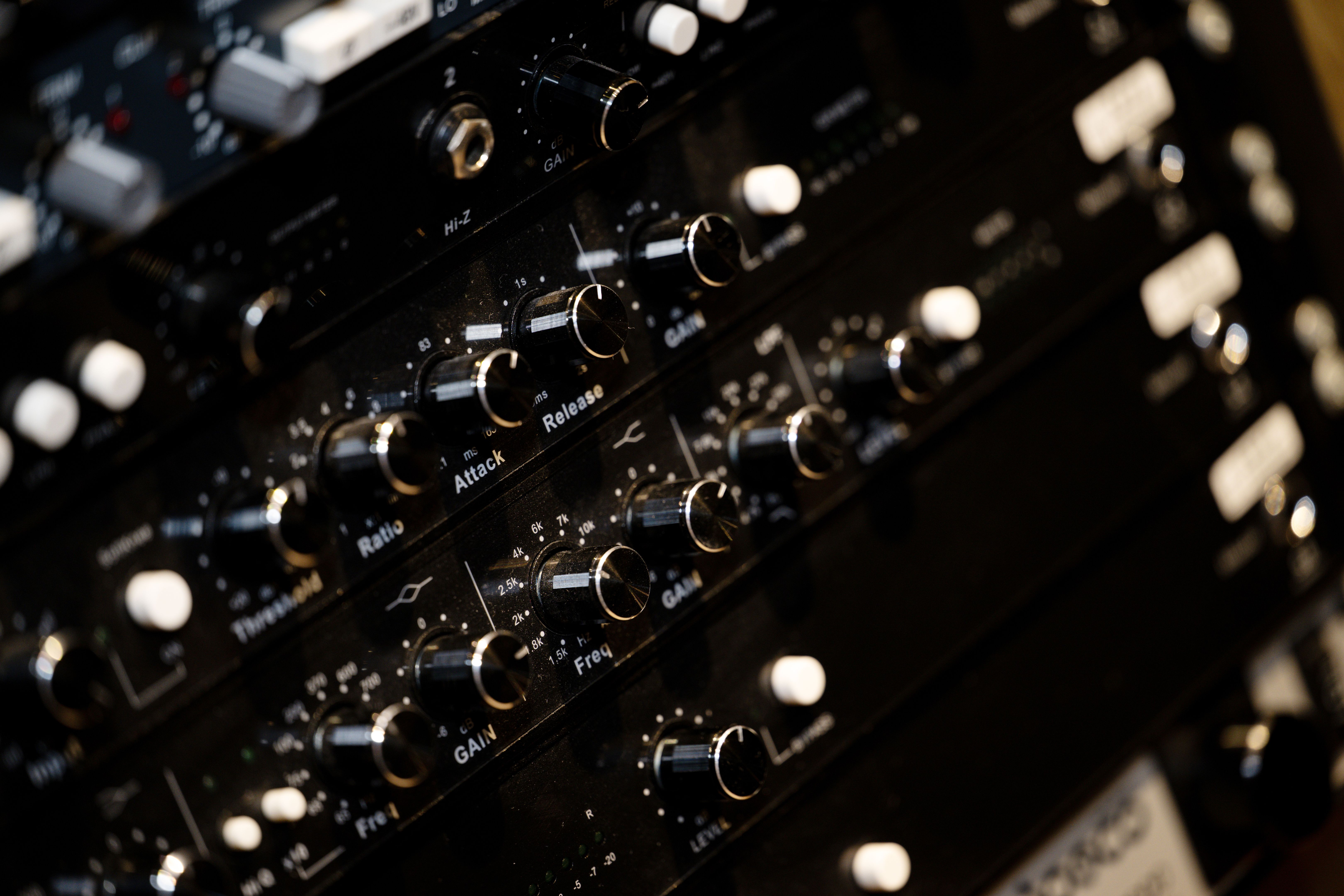
Review your mix on different playback systems to ensure it translates well across various environments. This step is vital in identifying any issues that need correction before moving to mastering.
The Final Touch: Mastering
With a well-prepared mix, mastering becomes a smoother process. Mastering enhances the mix, ensuring it sounds polished and professional. It involves EQ adjustments, compression, and limiting to optimize the track for distribution.
Remember, mastering is not a fix-all solution. A well-mixed track is the backbone of successful mastering, leading to a final product that stands out in any playlist.