
The Ultimate Guide to Audio Mastering: Elevate Your Sound


Audio mastering is the final step in the music production process, where your track is polished and prepared for distribution. This crucial stage ensures that your sound is consistent and optimized across all playback systems. Whether you're a seasoned producer or a budding artist, understanding mastering can dramatically elevate your sound.
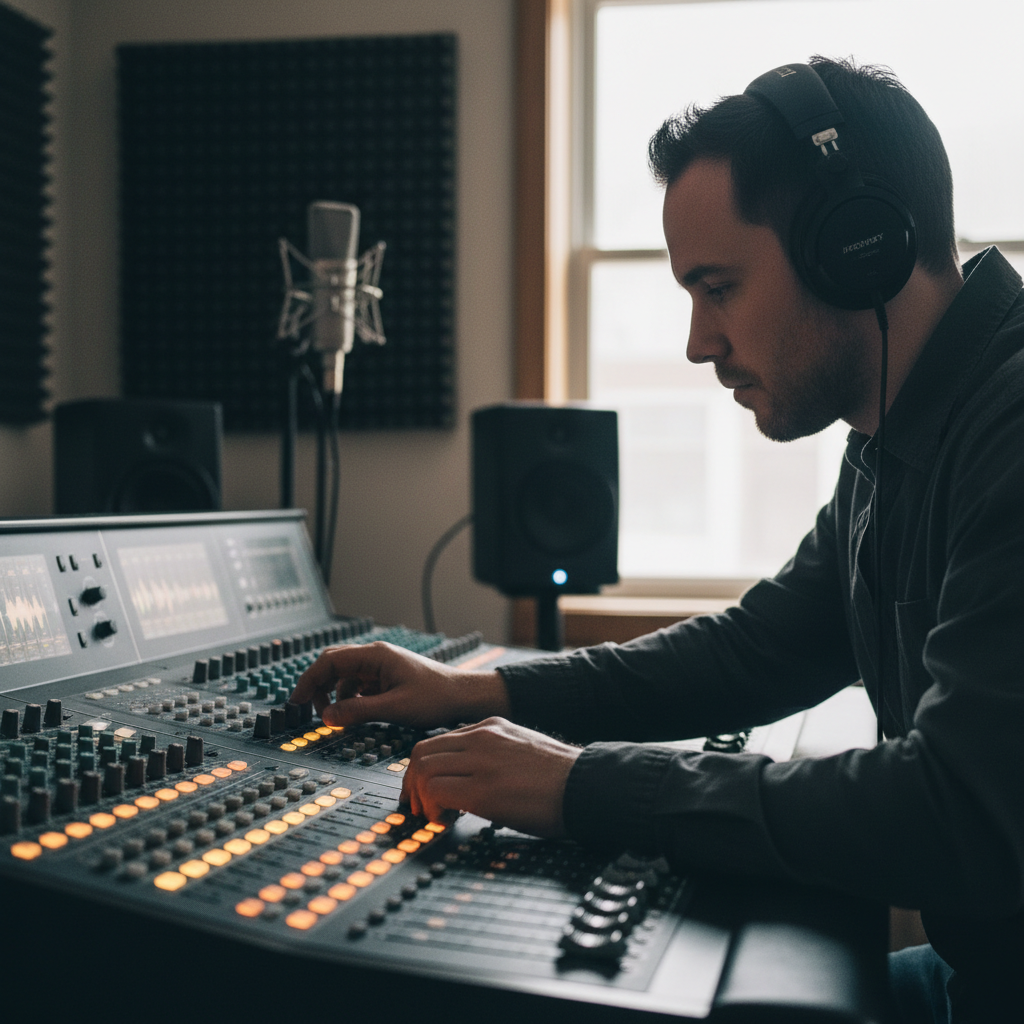
What is Audio Mastering?
Audio mastering involves adjusting the final stereo mix to enhance sound quality. Mastering engineers use a combination of equalization, compression, and other techniques to ensure that each track sounds balanced and professional. The goal is to create a cohesive sound that translates well on any device, from tiny earbuds to large sound systems.
Why Mastering Matters
Mastering is essential because it adds the final polish to your music. It ensures that your tracks maintain a competitive edge in the music market. Without mastering, even the best mix can sound amateurish, lacking the punch and clarity needed to capture listeners' attention.

The Mastering Process
The mastering process typically involves several key steps:
- Listening and Analysis: The engineer listens to the track, identifying areas that need improvement.
- Equalization: Adjusting frequency balance to ensure clarity and richness.
- Compression: Controlling dynamic range to maintain consistency.
- Limiting: Increasing track loudness without distortion.
- Finalizing: Preparing the track for distribution with proper encoding and formatting.
Tools and Software
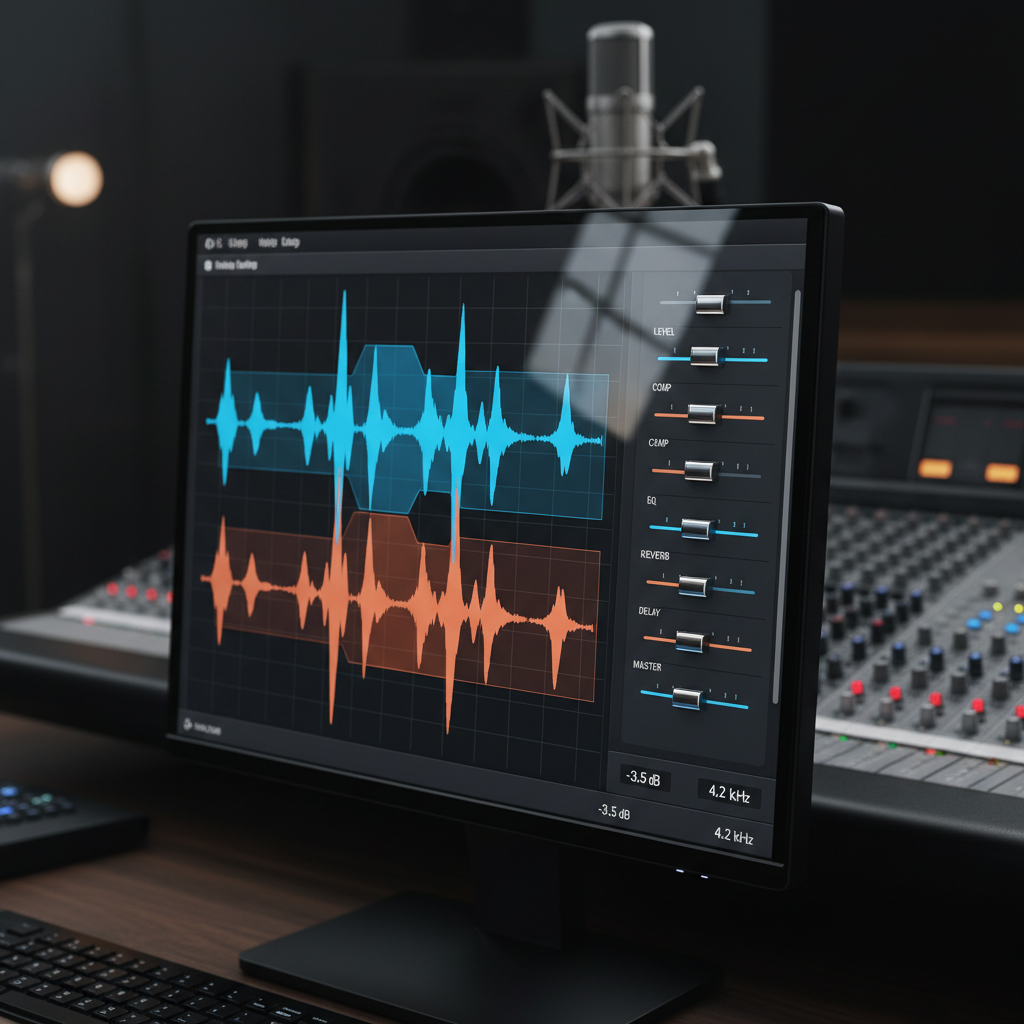
There are various tools and software available for mastering. Popular choices include iZotope Ozone, Waves Mastering Plug-ins, and FabFilter Pro-L. These tools offer a range of features to help you achieve professional results.
DIY Mastering vs. Professional Mastering
While DIY mastering is an option, hiring a professional mastering engineer can make a significant difference. Professionals bring years of experience and an objective ear, ensuring your music sounds its best. However, if you're on a tight budget, learning to master your own tracks with the right tools can be a valuable skill.
Tips for Successful Mastering
Here are some tips to keep in mind when mastering your tracks:
- Reference Tracks: Use reference tracks to compare and guide your mastering process.
- Take Breaks: Give your ears a rest to maintain objectivity.
- Check in Mono: Ensure your mix sounds good in mono for compatibility.
Mastering is an art form that takes time and practice to perfect. By understanding its fundamentals and using the right tools, you can significantly elevate your sound and make your music stand out.