
The Ultimate Guide to Professional Audio Mastering


Understanding the Basics of Audio Mastering
Audio mastering is the final step in the music production process, where a track is polished and optimized for distribution. This critical phase ensures that your music sounds consistent and professional across all playback systems. With mastering, the goal is to achieve balance, clarity, and cohesion.
Mastering involves adjusting levels, equalization, compression, and other processes to enhance the overall sound. It's important to understand that mastering is not about making drastic changes but rather fine-tuning a mix to its full potential.
Essential Tools for Mastering
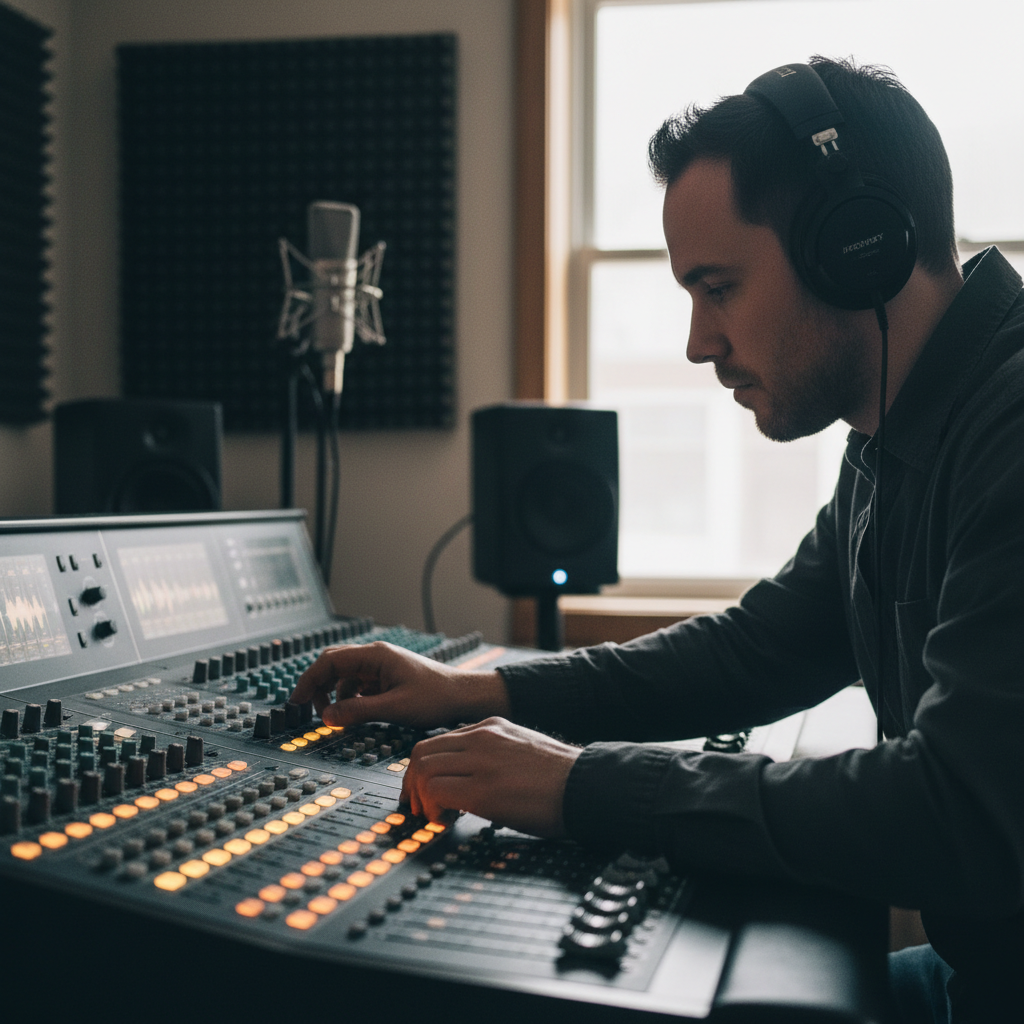
Having the right tools is crucial for effective audio mastering. Here are some essential pieces of equipment and software:
- Digital Audio Workstation (DAW): A robust DAW allows for precise editing and processing of audio tracks.
- Mastering Plugins: These plugins include equalizers, compressors, limiters, and more, designed specifically for mastering tasks.
- High-Quality Monitors: Accurate studio monitors help you hear all the details in your music, ensuring that your adjustments are spot-on.
- Audio Interface: A good audio interface ensures high-quality sound conversion and playback.
Step-by-Step Mastering Process
To achieve professional results, follow a structured mastering process:
- Preparation: Ensure your mix is complete and exported at the highest quality possible.
- Volume Leveling: Adjust the overall volume to meet industry standards without clipping.
- EQ Adjustments: Use equalization to balance frequencies and enhance the tonal quality.
- Compression: Apply compression to control dynamics and add cohesion.
- Limiting: Use a limiter to increase loudness while preventing distortion.
Common Mistakes to Avoid
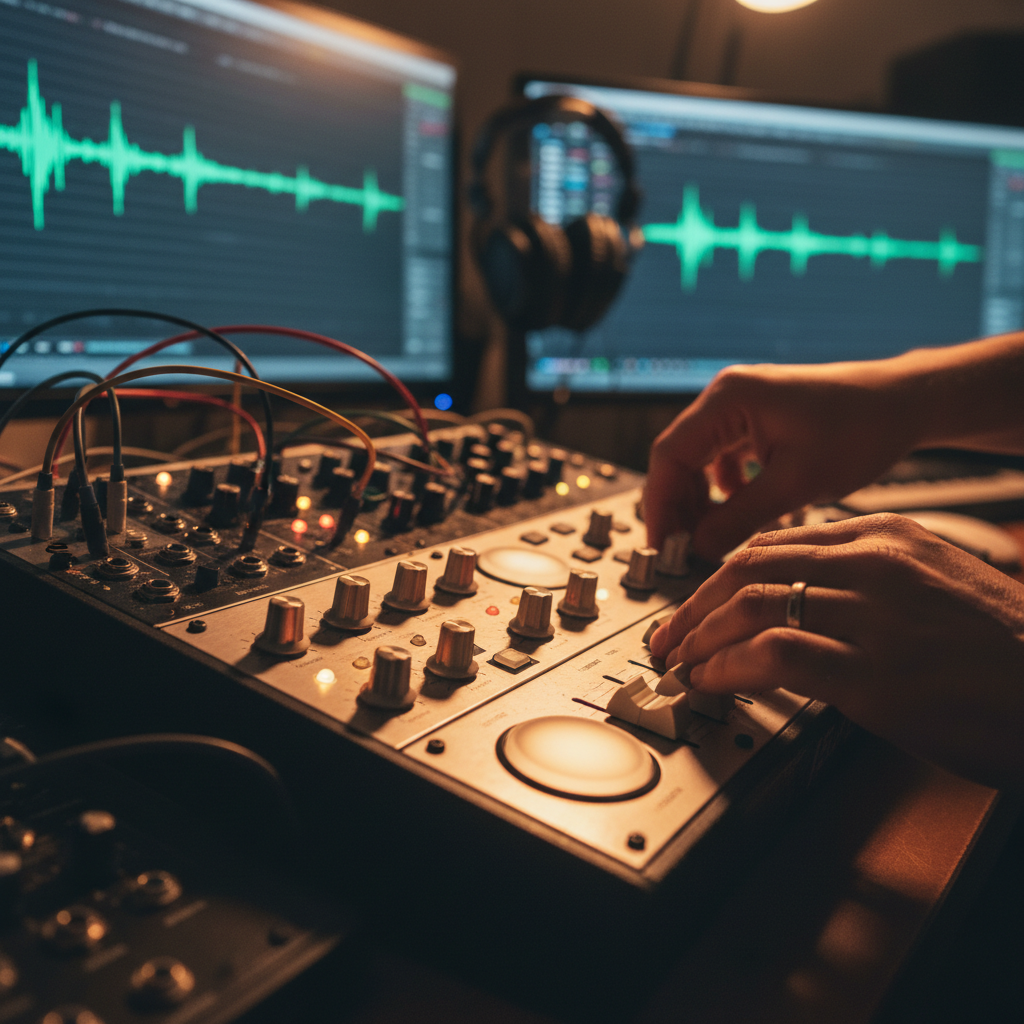
Even experienced audio engineers can make mistakes during mastering. Avoid these common pitfalls:
- Over-Compression: Too much compression can make a track sound lifeless and dull.
- Excessive EQ Boosts: Over-boosting frequencies can lead to an unnatural sound and listener fatigue.
- Ignoring Reference Tracks: Comparing your master to professionally mastered tracks helps maintain perspective.
By being aware of these mistakes, you can ensure a more polished and professional final product.
Final Listening and Adjustments
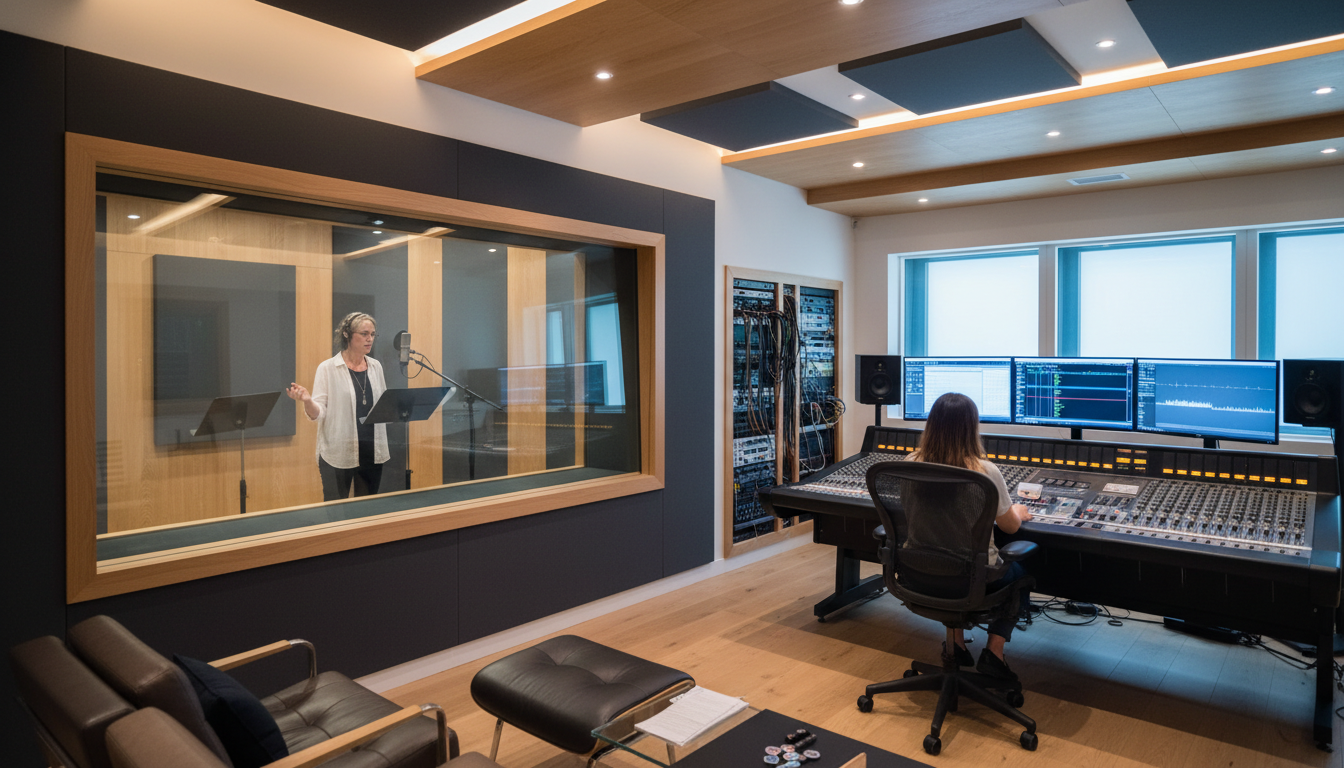
Once you've completed the mastering process, it's crucial to perform a final listening session. This step involves playing your track on different playback systems, such as headphones, car speakers, and home audio systems. Doing so helps identify any issues that may not be apparent in the studio environment.
Make any necessary adjustments based on your listening tests. Remember, the goal of mastering is to ensure your music sounds amazing, no matter where it's played.
Conclusion
Audio mastering is an art form that requires attention to detail and a deep understanding of sound. By following the steps outlined in this guide and using the right tools, you can achieve a professional sound that stands out in today's competitive music landscape. Whether you're mastering your own tracks or working with a professional, remember that the ultimate goal is to enhance and elevate your music to its highest potential.