
Top 5 Audio Mastering Trends to Watch


Introduction to Audio Mastering Trends
Audio mastering is constantly evolving, driven by technological advancements and changing listener preferences. Staying ahead of the curve is crucial for audio engineers and producers who want to maintain a competitive edge. Here, we explore the top five audio mastering trends that are shaping the industry today.
Trend 1: AI-Powered Mastering
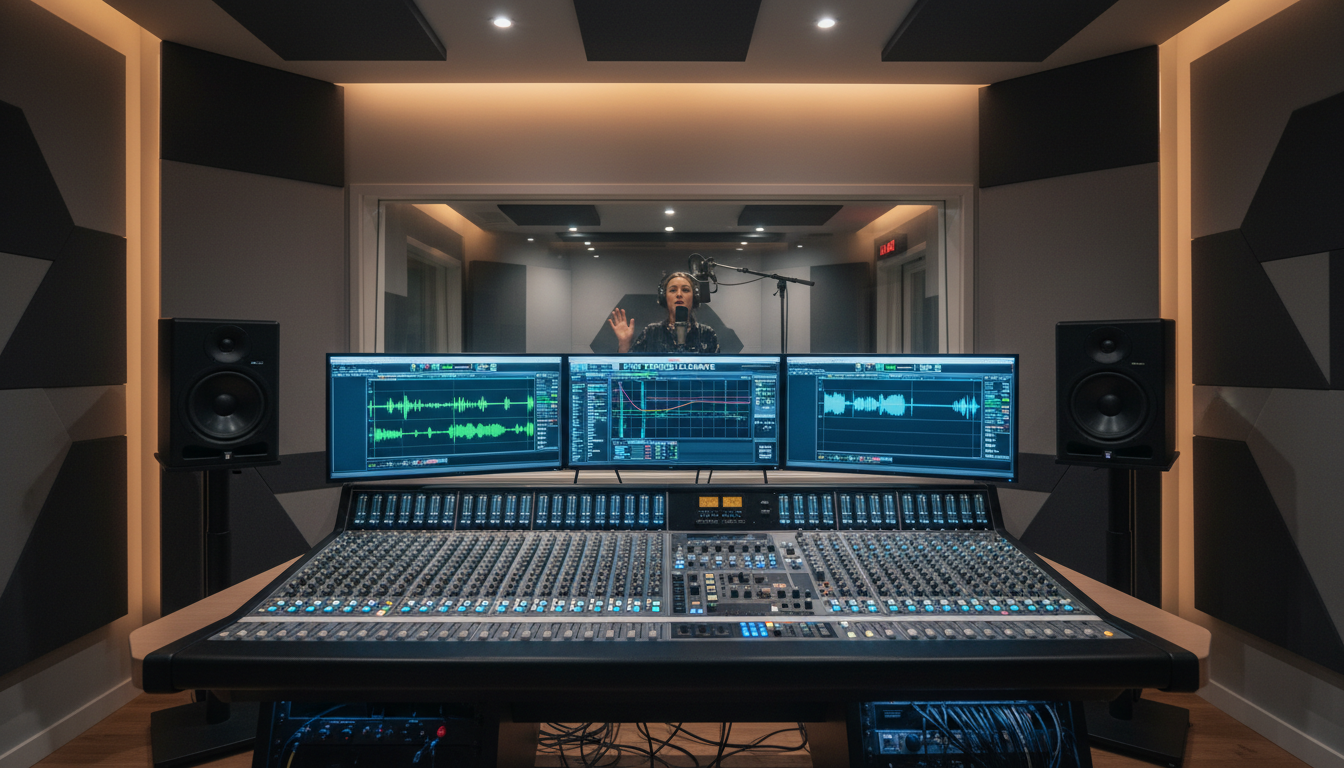
Artificial Intelligence is making significant inroads into audio mastering. AI-powered tools are now capable of analyzing tracks and making adjustments that traditionally required a human touch. These tools offer an efficient alternative for quick projects, although they may not yet replace the nuanced expertise of a seasoned engineer.
AI mastering is especially useful for independent artists and small labels due to its cost-effectiveness and speed. As AI technology continues to improve, its role in mastering will likely expand.
Trend 2: Immersive Audio Formats
With the rise of virtual reality and augmented reality, immersive audio formats like Dolby Atmos and Sony 360 Reality Audio are becoming more popular. These formats provide a three-dimensional listening experience, offering new creative possibilities for sound engineers.
Immersive audio is not just limited to music; it is also being integrated into films, gaming, and live events. This trend is set to redefine how we perceive sound in various media.
Trend 3: Analog Revival
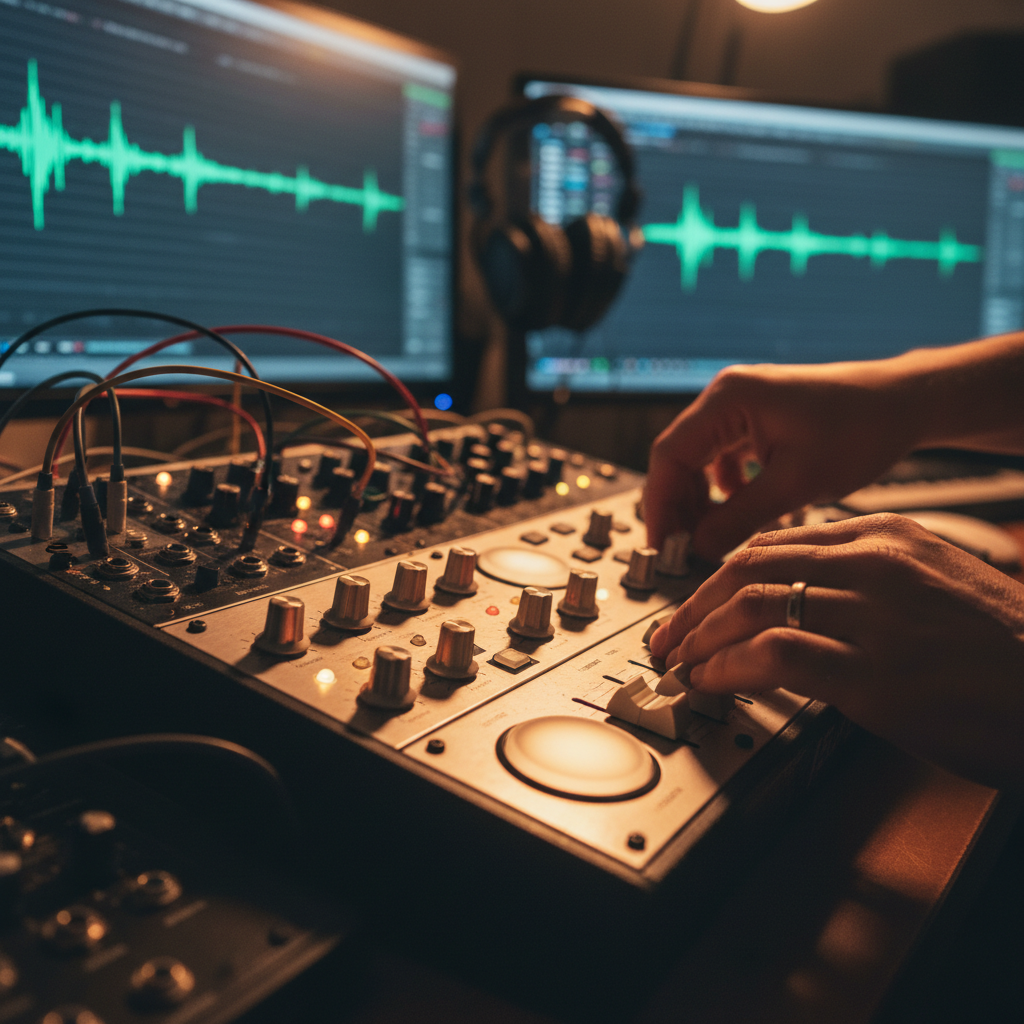
Despite the digital age, there is a growing appreciation for analog equipment among audiophiles and professionals. Vintage gear and analog mastering techniques are being revisited for their unique warmth and character that digital tools often struggle to replicate.
This trend is driven by a desire for authenticity and a richer sound texture in recordings. As a result, many studios are investing in high-quality analog equipment to meet this demand.
Trend 4: Sustainable Practices
Environmental sustainability is becoming a priority across industries, and audio mastering is no exception. Studios are adopting greener practices, such as energy-efficient equipment and sustainable materials, to reduce their carbon footprint.
Consumers are increasingly conscious of the environmental impact of their choices, and studios that demonstrate a commitment to sustainability may gain a competitive advantage.
Trend 5: Remote Collaboration
The global pandemic accelerated the trend towards remote collaboration. Audio professionals are now more comfortable working from different locations, utilizing cloud-based platforms for file sharing and communication.
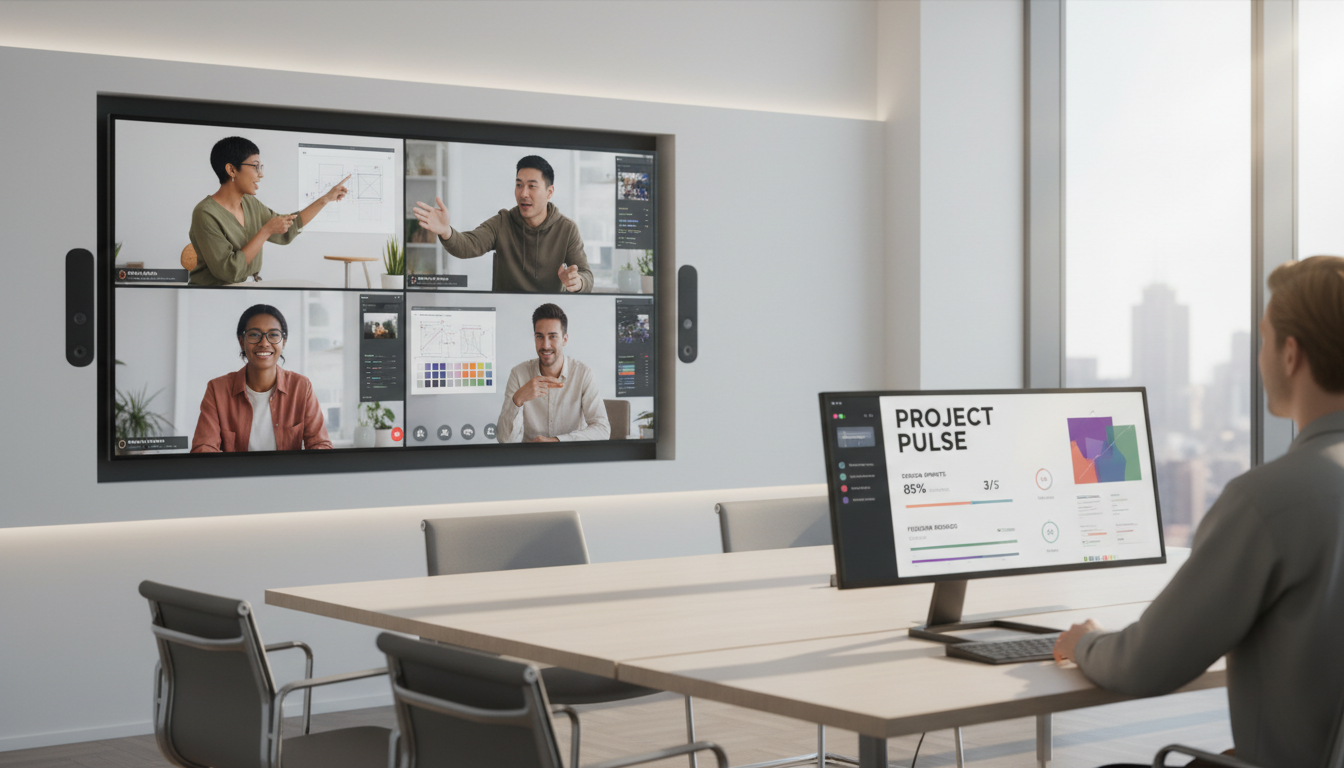
Remote collaboration offers flexibility and access to a wider talent pool, enabling artists and engineers to work together regardless of geographical barriers. This trend is likely to continue, even as traditional studio work resumes.
Conclusion
The audio mastering landscape is continually evolving, influenced by technology, consumer preferences, and global trends. By keeping an eye on these developments, audio professionals can adapt and thrive in this dynamic field. Whether through embracing AI, exploring immersive formats, or adopting sustainable practices, the future of audio mastering holds exciting possibilities.