
Top Tips for Seasonal Audio Production Projects


Understanding the Importance of Seasonal Audio Production
When embarking on seasonal audio production projects, it's crucial to recognize the unique characteristics and demands of each season. Whether you're producing a holiday jingle or a summer-themed podcast, aligning your audio with the season can significantly enhance its impact. Seasonal audio projects often require a blend of creativity and strategic planning to capture the essence of the time of year.
One essential aspect is to embrace the mood and emotions associated with the season. For instance, winter projects might lean towards warm, cozy sounds, while spring could benefit from bright and uplifting tones. Understanding these nuances can ensure your audio resonates with the intended audience.

Planning and Pre-Production Tips
Effective planning is the cornerstone of successful seasonal audio production. Start by defining the goals of your project and identifying the target audience. This will guide your creative decisions and help tailor the content to suit listener preferences. Conduct market research to understand trends and popular themes during the season.
In the pre-production phase, compile a detailed list of resources and materials needed for the production. Consider collaborating with seasonal experts or influencers who can bring authenticity and specialized knowledge to your project. This collaboration can provide unique insights and elevate the quality of your audio.
Scriptwriting and Storyboarding
Scriptwriting is a vital component of audio production. Create a storyboard to visualize the flow of the project and ensure all elements align with the seasonal theme. A well-crafted script should include engaging dialogue, sound effects, and music that evoke the desired seasonal atmosphere.
Sound Design and Music Selection
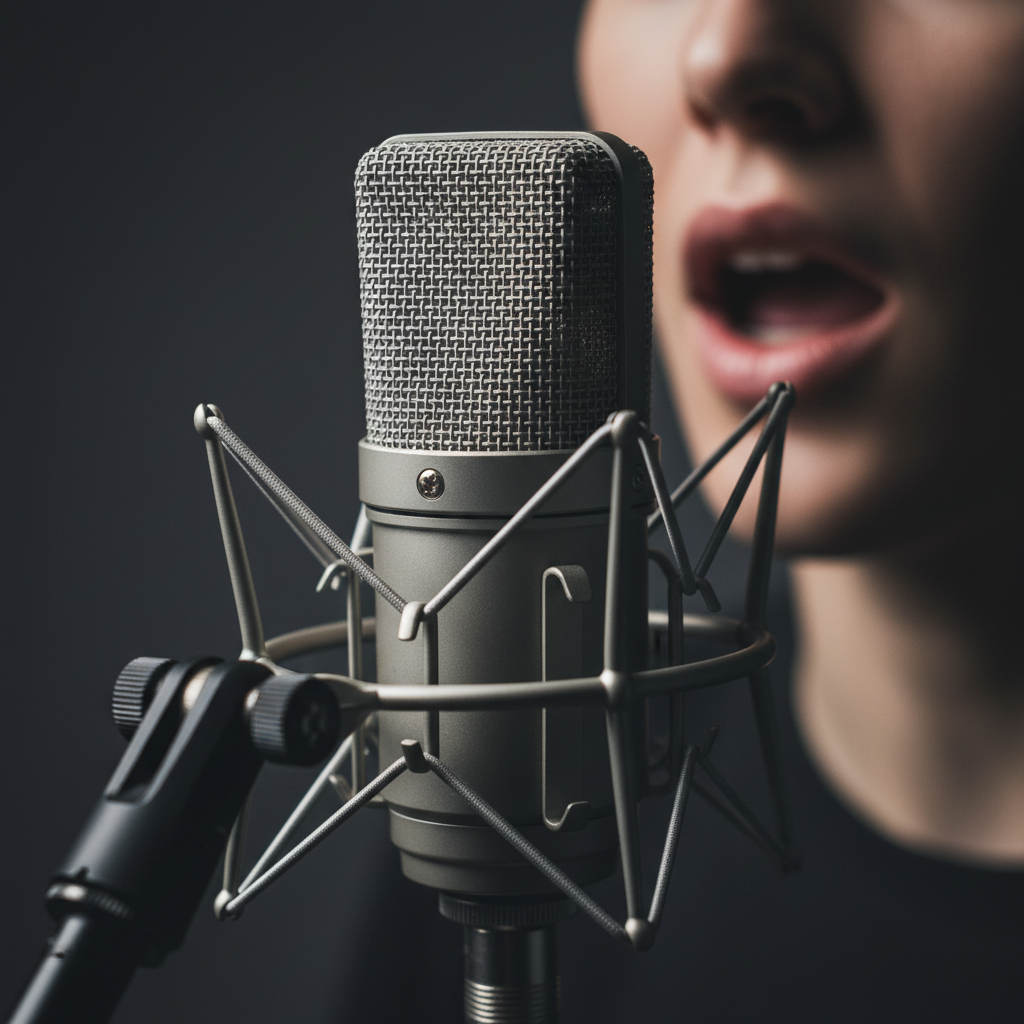
Sound design plays a pivotal role in setting the tone for your seasonal audio project. Use sound effects that complement the seasonal theme, such as rustling leaves for autumn or ocean waves for summer. These auditory cues can transport listeners and immerse them in the experience.
Music selection is equally important. Choose tracks that reflect the mood of the season and support the narrative of your project. Consider using royalty-free music libraries or collaborating with composers to create original scores that enhance the overall production.
Recording and Editing Techniques
During the recording phase, focus on capturing high-quality audio. Invest in good microphones and recording equipment to ensure clarity and precision. Pay attention to ambient sounds and background noise, which can detract from the listener's experience.
Post-Production and Final Touches
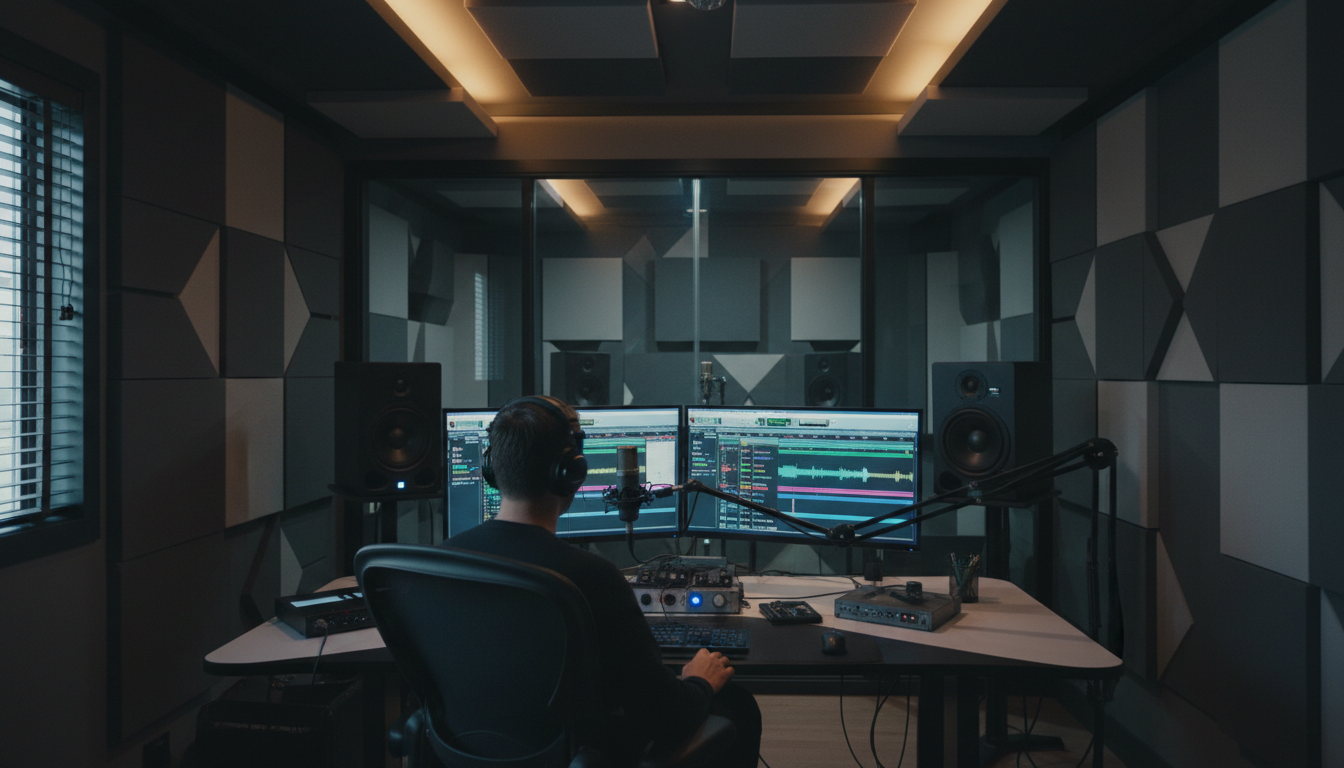
In post-production, editing is key to refining your audio project. Use editing software to remove any unwanted noise and ensure a seamless flow. Adding effects like reverb or echo can enhance the seasonal atmosphere, making the audio more engaging.
Finally, ensure your audio is properly mixed and mastered. This step balances the different elements, ensuring a polished and professional final product. A well-mixed audio piece will resonate better with your audience and leave a lasting impression.
Testing and Launch
Before launching your seasonal audio project, conduct thorough testing. Gather feedback from a sample audience to identify areas for improvement. Make necessary adjustments to enhance the listener's experience.
Once confident in the quality of your production, strategically plan the launch. Consider the best platforms and timing to reach your target audience effectively. A well-executed launch can amplify the impact of your seasonal audio project, engaging listeners and achieving your objectives.